Elevating the Greek Experience: A B2B Guide to Selling Greece Beyond the Ordinary
Greece has long been a crown jewel in the Mediterranean, effortlessly selling itself through iconic images of whitewashed Cycladic churches and the imposing Acropolis. However, as...
Date
13 Nov 2026
Share
Greece has long been a crown jewel in the Mediterranean, effortlessly selling itself through iconic images of whitewashed Cycladic churches and the imposing Acropolis. However, as the global travel landscape evolves, so do the demands of your clients. Today’s travelers—whether they are high-net-worth individuals, culture enthusiasts, or corporate incentive groups—are looking for authenticity, exclusivity, and seamless logistics.
For travel agents, tour operators, and wholesalers, Greece offers unparalleled opportunities for high profit margins and exceptional client satisfaction. Here is how you can elevate your Greek portfolio and offer a product that stands out in a competitive market.borhoods, authentic food, and easy day trips—everything you need to experience Athens like a local
1. Extend the Season: Selling the “Shoulder” Months
While July and August will always be peak months for the islands, the real B2B growth lies in the shoulder seasons (April-May and September-October).
The Pitch to Clients: Milder weather for archaeological tours, fewer crowds, and a more authentic interaction with locals.
The B2B Advantage: Better hotel availability, more flexible contracting terms, and significantly higher value-for-money, allowing you to build premium packages at competitive rates.
2. Move Beyond the Classics: The Rise of the Peloponnese & Hidden Gems
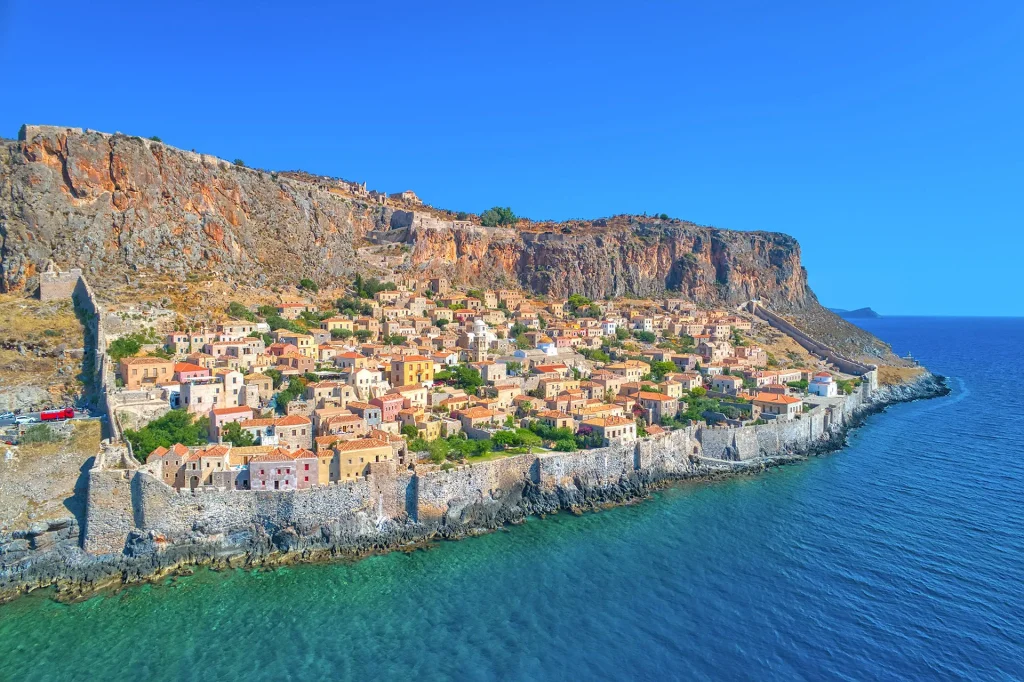
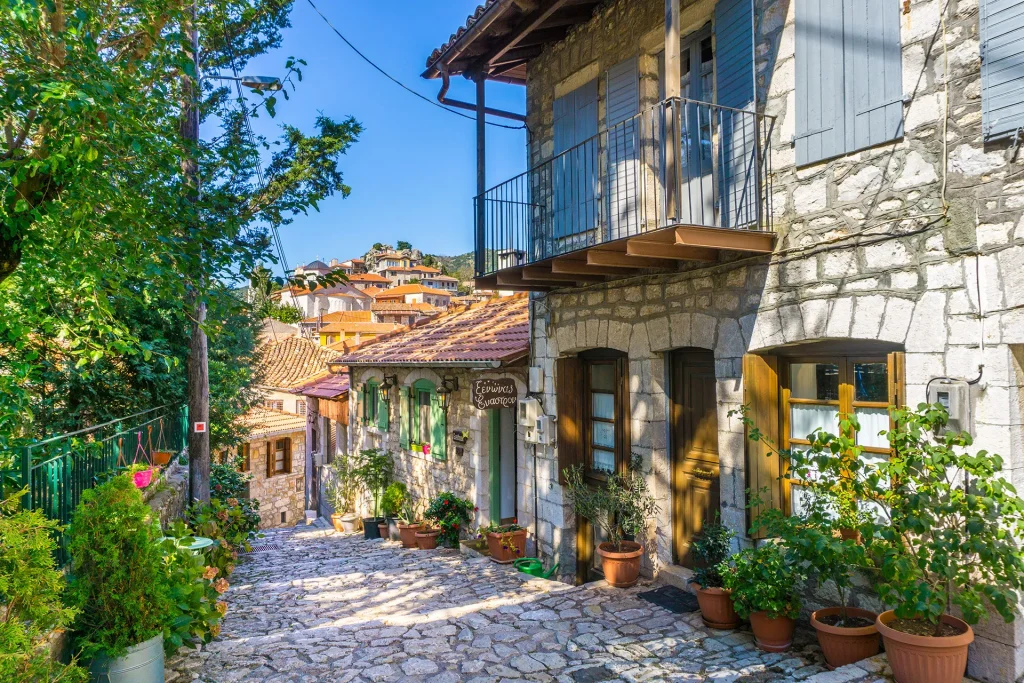
Mykonos and Santorini will always be in demand, but the modern luxury traveler is seeking the undiscovered. The Peloponnese is rapidly emerging as Greece’s most compelling luxury and cultural destination.
Why it sells: It combines world-class UNESCO World Heritage Sites (Mycenae, Olympia, Epidaurus) with stunning coastlines, luxury resorts, and high-end gastronomy—all accessible via driving routes from Athens or direct flights to Kalamata, eliminating the unpredictability of ferry schedules.
Other emerging hotspots: Paros and Milos for boutique island-hopping, and the Athenian Riviera for premium city breaks that combine urban energy with beachside luxury.
3. Tap into Experiential and Niche Tourism
Modern clients don’t just want to see a destination; they want to experience it. Customization is key to securing repeat business.
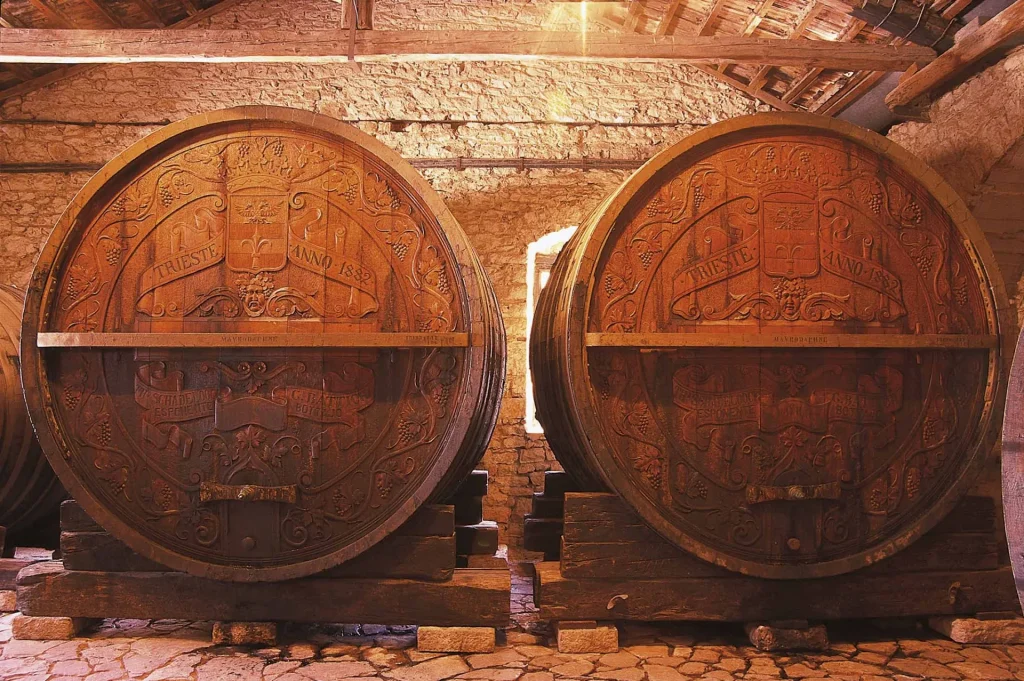
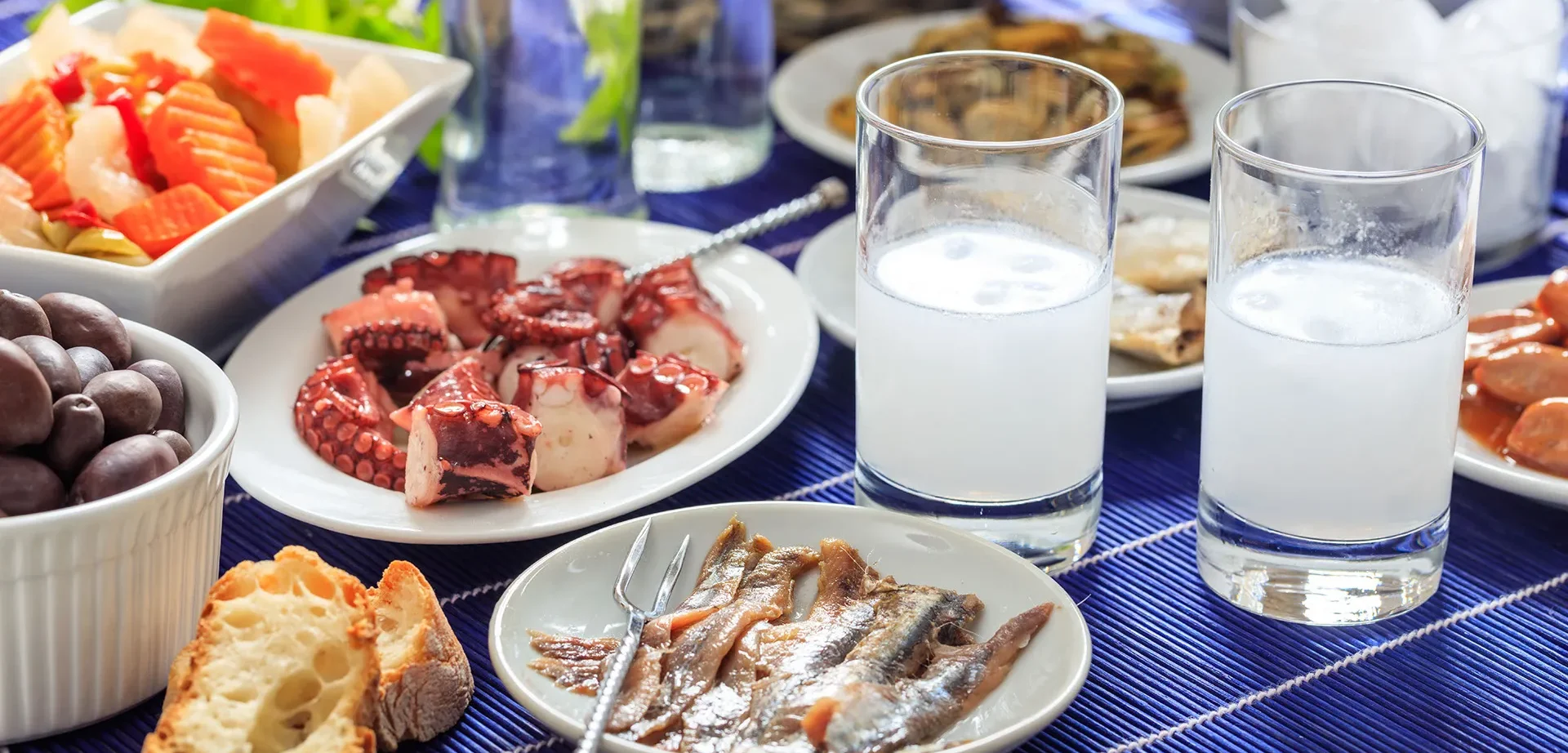
Culinary & Wine Tours: Curate itineraries around olive oil tasting in Messinia, wine routes in Nemea, or private cooking classes in Cretan villages.
Themed Itineraries: Capitalize on specialized interests, such as Byzantine history trails, religious tourism, or wellness retreats in luxury eco-resorts.
4. The Critical Role of a Reliable Local DMC
The difference between a good trip and a flawless one is on-the-ground execution. Greece’s infrastructure is robust, but managing ferry strikes, last-minute time-slot changes at archaeological sites, and dynamic hotel availability requires local expertise.
Seamless Operations: Partnering with a reliable Destination Management Company (DMC) ensures you have direct access to premium hotel allotments, priority bookings for licensed multilingual guides, and a 24/7 crisis management team.
Protecting Your Brand: A local partner acts as an extension of your own brand, ensuring that your clients receive VIP treatment from the moment they land until their departure, guaranteeing you five-star reviews and repeat bookings.
Ready to upgrade your Greek product offerings? To succeed in the Greek market, you need more than just an itinerary; you need a strategic partner. Whether you are looking for fixed-departure group tours, bespoke FIT packages, or corporate MICE solutions, partnering with local experts ensures your clients experience the very best of Greece.
Some moments deserve an extraordinary place. There are moments in life we don’t simply want to celebrate. We want to remember them. A milestone birthday.An anniversary.A...
In Greece, eating is never just about fueling up for the next activity; it is the main event. It is a loud, joyful, multi-hour affair meant to be shared with friends, family, and...
Greece is consistently at the top of every traveler’s bucket list, but for travel agents and tour operators, it can be one of the most logistically complex destinations in...
Be the first to know our news!
Wherever you want to go, we've already been there first!