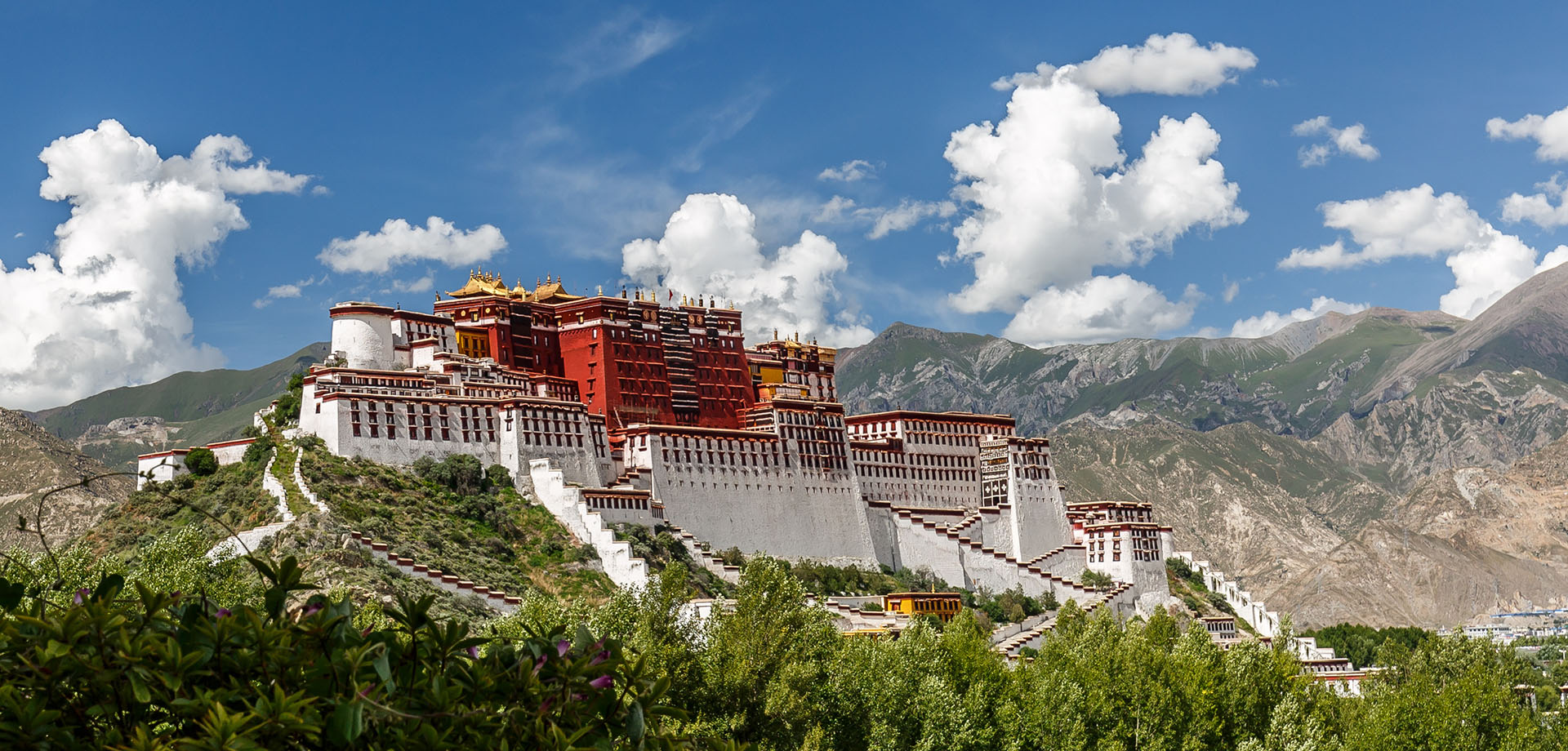
A unique blend of Buddhist spirituality, historical grandeur and natural tranquillity, Lhasa is the ideal destination for travellers seeking a profound and meaningful travel experience. As the capital of Tibet, situated at an altitude of 3,650 metres, the city radiates an extraordinary sense of spirituality and serenity. Surrounded by majestic snow-capped mountains and ancient monasteries, Lhasa is a sacred destination for millions of pilgrims. The magnificent Potala Palace dominates the skyline as an enduring symbol of Tibetan culture and heritage, while everyday life unfolds to the peaceful rhythm of meditation, sacred mantras and prayer. Lhasa is a truly captivating destination, filled with spiritual energy, unwavering faith and a profound cultural identity, offering an unforgettable journey into the heart of Tibet.
Lhasa
Explore the Spiritual Heart of Tibet at the Foot of the Himalayas
Lhasa, nestled in the heart of the Himalayas at an altitude of 3,650 metres, is a captivating spiritual and cultural sanctuary that enchants every traveller. Home to the magnificent Potala Palace and the sacred Jokhang Temple, Lhasa radiates a profound sense of peace and tranquillity, deeply rooted in Tibetan Buddhism. Wander through the colourful streets of Barkhor, breathe in the fragrant incense that fills the air, and listen to the rhythmic chanting of Buddhist monks. The city offers a fascinating blend of ancient Tibetan traditions and modern Chinese influences, while the breathtaking beauty of the surrounding Himalayan landscapes creates an almost otherworldly atmosphere. A journey to Lhasa is a truly once-in-a-lifetime experience for travellers seeking spiritual discovery, rich history and extraordinary natural beauty.
Highlights

Potala Palace

Jokhang Temple

Drepung Monastery

Ramoche Temple
Select your Travel type
Search destination
Where Spirituality Touches the Heavens
A Culinary Journey Through Lhasa
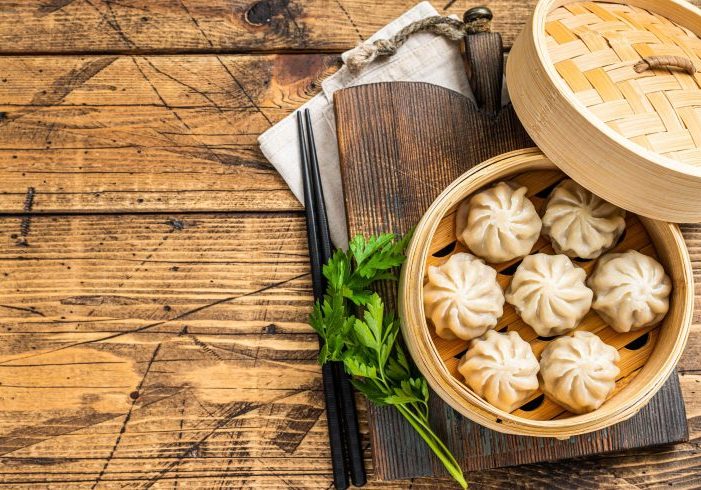
Discover the authentic flavours of Lhasa by trying traditional momos (Tibetan dumplings), thukpa (a hearty noodle soup) and the famous yak butter tea. Visit a traditional Tibetan teahouse to savour local sweets and enjoy the opportunity to interact with local monks and fellow travellers, immersing yourself in the region’s unique cultural atmosphere. Lhasa’s culinary traditions are deeply influenced by the harsh Himalayan climate, featuring rich, warming dishes prepared with locally sourced ingredients. From traditional monastic meals and comforting soups to distinctive Tibetan specialities, every flavour tells a story of a culture that values self-sufficiency, hospitality and simplicity. A culinary journey through Lhasa is more than a gastronomic experience – it is an invitation to discover the authentic spirit and timeless traditions of Tibet.
The Best Time to Visit Lhasa
The best time to visit Lhasa is between April and October, when temperatures are milder and weather conditions are generally more favourable for sightseeing and exploring the region. During these months, the warmer climate makes travelling more comfortable, although visitors should still take precautions against altitude sickness due to the city’s high elevation. Keep in mind that July and August are the main rainy season months, so occasional rainfall should be expected.

How to Get Around Lhasa

Airport Transfer Options
Lhasa Gonggar Airport is located approximately 60 km from Lhasa, near the town of Gyazuling.
Travellers can reach the city centre by airport shuttle bus, with services departing approximately every 30 minutes and a journey time of around 1.5 hours. Alternatively, taxis are available outside the airport, offering a convenient and direct transfer to the city.
Lhasa can also be reached by road or rail, providing travellers with the opportunity to admire the spectacular landscapes of the Tibetan Plateau along the way.

Public Transport
The main means of public transport in Lhasa are minibuses, which provide convenient connections throughout the city.
Alternatively, visitors can travel by taxi, while traditional pedicabs (two-seater cycle rickshaws) are also a popular way to explore the city at a leisurely pace.
Lhasa is also relatively bicycle-friendly, making cycling an enjoyable option for discovering its streets, local neighbourhoods and unique Tibetan atmosphere.
Q&A
Yes, a special Tibet Travel Permit is required, which must be arranged through an authorised travel agency.
Lhasa is situated at an altitude of 3,650 metres. Travellers are advised to allow 1–2 days to acclimatise and reduce the risk of altitude sickness.
3–4 days are generally sufficient to explore Lhasa’s main attractions while allowing time to acclimatise to the high altitude.
Potala Palace, Jokhang Temple and Sera Monastery are among the most important spiritual landmarks in Lhasa.
You can reach Lhasa by air, with flights from Beijing, Chengdu or Kunming, or embark on an unforgettable journey aboard the legendary Qinghai–Tibet Railway, renowned for its breathtaking Himalayan landscapes.
![City Break with food walking tour in Athens [4days]](https://mazitravel.com/wp-content/uploads/2026/01/Athens-AdobeStock_125876014-scaled-e1769512144460.jpeg "City Break with food walking tour in Athens [4days]")