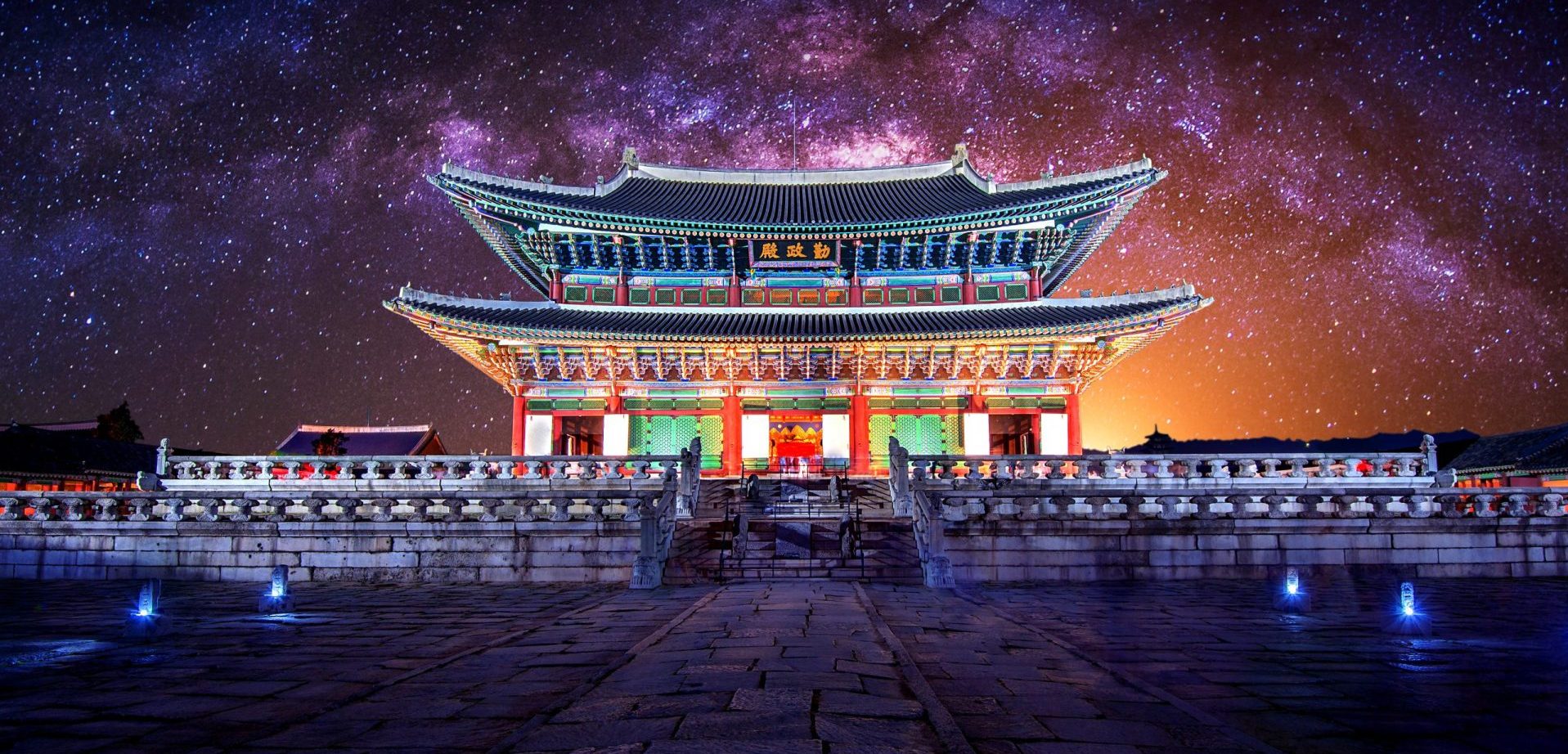
Seoul is the cultural and technological heart of South Korea. A city in constant evolution, it remains deeply connected to its rich cultural identity and traditions. Where ancient temples meet dazzling LED lights, Seoul offers unforgettable experiences that bridge history and the future. Towering skyscrapers, traditional neighbourhoods and lush natural landscapes coexist in remarkable harmony, creating a fascinating blend of old and new. From futuristic shopping malls to majestic mountains framing the skyline, Seoul invites visitors to discover an authentic, vibrant and uniquely Korean experience.
Seoul
Between Palaces and Neon Lights – Korean Culture, Technology and Tradition in Motion
Seoul is the vibrant heart of South Korea, a captivating metropolis where the past and future coexist in remarkable harmony. From the magnificent royal palaces of Gyeongbokgung and the traditional hanok houses of Bukchon to the futuristic skyscrapers of Gangnam and the bustling beauty shops of Myeongdong, every neighbourhood reveals a different side of the city. Seoul is the epicentre of Korean culture, where K-pop, fashion, cutting-edge technology and street food come together in an exciting blend of tradition and modernity. Visitors can enjoy unforgettable experiences, from admiring panoramic city views at N Seoul Tower and unwinding in a traditional jjimjilbang (Korean bathhouse) to savouring authentic bibimbap and enjoying spectacular evening performances. Seoul is the perfect destination for modern travellers seeking culture, unique experiences and vibrant energy. A city that never sleeps, inviting you to experience its rhythm, discover its soul and embrace every moment.
Highlights

Bukchon Hanok Village
For a glimpse into traditional Korean culture and architecture, head to Bukchon Hanok Village. This beautifully preserved historic neighbourhood, with its charming traditional Korean houses known as hanok, offers visitors a fascinating insight into what life was like in Korea 600 years ago. Walking through its picturesque streets feels like stepping back in time, surrounded by the timeless beauty of Korea’s rich cultural heritage.

N Seoul Tower & Namsan Park
Rising nearly 500 metres above the city, N Seoul Tower is an iconic communication and observation tower offering breathtaking panoramic views of Seoul and the surrounding Namsan Mountain landscape. Visitors can ascend the tower to enjoy spectacular views from its observation decks or indulge in a unique dining experience at its revolving restaurant, where stunning cityscapes provide an unforgettable backdrop.

Lotte World Tower
One of Seoul’s most impressive modern landmarks is the magnificent Lotte World Tower. Standing over 500 metres tall, it is one of the tallest buildings in the world and a striking symbol of the city’s modern skyline. Near the top of this 123-storey skyscraper, visitors can explore Seoul Sky, a spectacular observation area featuring indoor and outdoor viewing spaces that offer breathtaking panoramic views of Seoul and its surroundings.

National Museum of Korea
The National Museum of Korea in Seoul showcases the fascinating history and remarkable artistic heritage of Korea and its people. Focusing on archaeology, history and art, the museum houses an extensive collection of artefacts, artworks and historical treasures, some dating back over a million years. It offers visitors a captivating journey through Korea’s rich cultural heritage, from prehistoric times to the present day.
Select your Travel type
Search destination
No trips were found matching your selection.
IDEAL DESTINATION
An Electrifying Fusion of Tradition and Innovation
A Culinary Journey Through Seoul
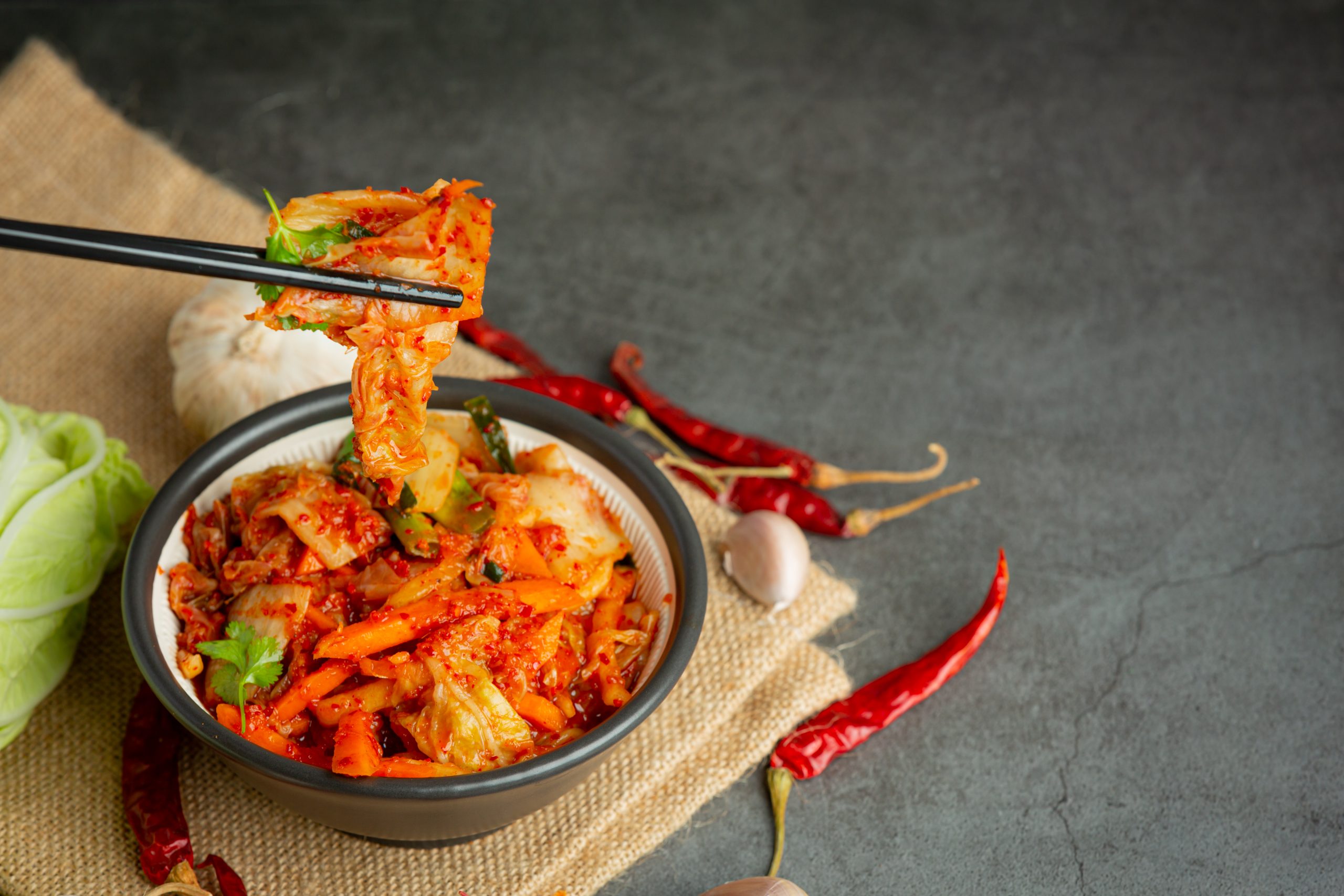
Seoul’s culinary scene is vibrant, spicy and deeply rooted in the joy of sharing food. Discover authentic Korean flavours with traditional favourites such as kimchi, bulgogi and bibimbap, or indulge in the famous Korean BBQ, where cooking becomes an interactive and memorable dining experience. Bustling street markets such as Gwangjang Market and lively night markets come alive with irresistible aromas, colourful stalls and delicious local specialities. Seoul’s gastronomy is deeply connected to its cultural heritage, yet embraces modern creativity and innovation, offering an exciting variety of flavours to delight every palate. Korean cuisine celebrates tradition while constantly evolving, blending authentic recipes, contemporary culinary techniques and international influences into a truly unforgettable gastronomic experience.
The Best Time to Visit Seoul
Seoul is a fascinating destination that can be visited all year round, with each season offering its own unique charm. However, spring is the ideal time to visit, when the city comes alive with beautiful blossoms, lush greenery and breathtaking natural scenery.

How to Get Around Seoul

Airport Transfer Options
Seoul is easily accessible by air, with Incheon International Airport located approximately 48 km from the city centre. Travellers have several convenient options for reaching central Seoul, including the Airport Railroad Express (AREX), which offers fast and affordable connections. Alternatively, visitors can choose from a wide range of airport shuttle buses or take a taxi for a more comfortable, door-to-door transfer. Fares vary depending on the service, destination and traffic conditions.

Public Transport
Seoul boasts a highly organised and efficient public transport network, making it easy and convenient to explore the city and its surrounding areas. The system includes an extensive subway network, reliable bus services and taxis, which offer a relatively affordable and comfortable way to get around. With excellent transport connections, visitors can discover Seoul’s many attractions with ease.
Questions/Answers
Q&A
Yes, Seoul is considered a very safe destination for tourists, with exceptionally low crime rates and excellent infrastructure that ensures a comfortable and convenient travel experience.
Kimchi, Korean BBQ, tteokbokki, bibimbap and Korean fried chicken are must-try specialities that offer an authentic taste of Korea’s rich and vibrant culinary culture.
No, Greek citizens do not need a visa to visit South Korea for tourism purposes for stays of up to 90 days.
Seoul has an excellent, tourist-friendly subway system with clear English signage, making it easy to navigate the city. The T-money Card is particularly useful for convenient travel on subways and buses.
Ideally, 4–5 days are recommended to explore Seoul’s main attractions, discover its rich cultural heritage and experience the unique atmosphere of its vibrant neighbourhoods.