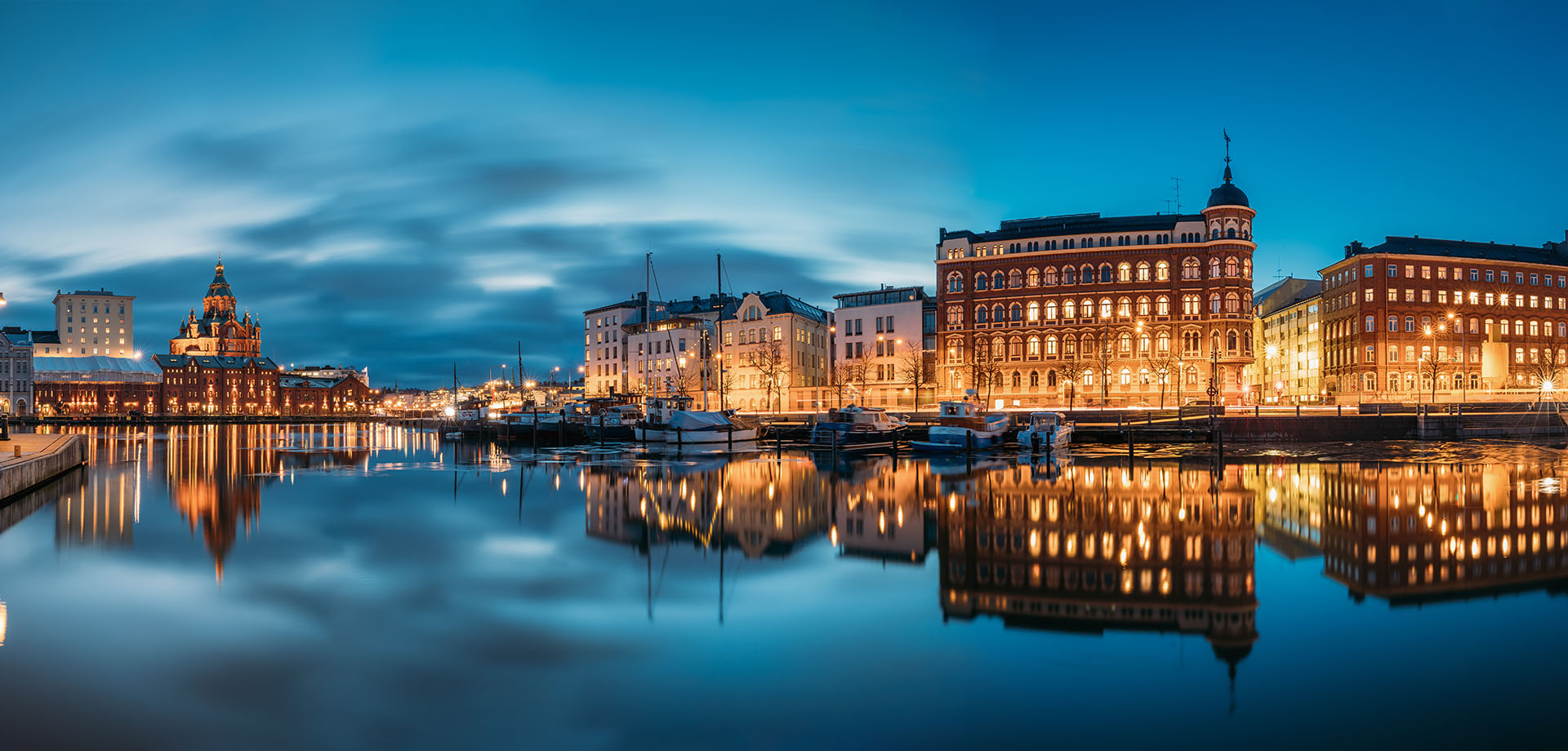
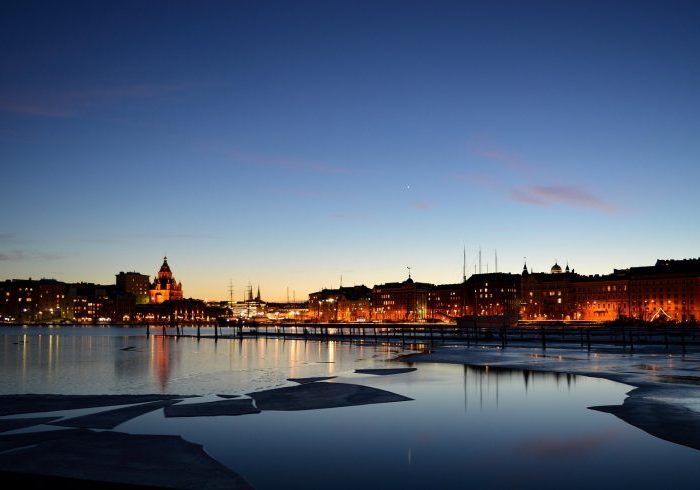
The city reflects Nordic elegance, natural serenity, and cultural innovation. It is sustainable, authentic, and refined in every expression. Helsinki’s architecture combines elements of classicism with modernism and stands as a model of Finnish style. Built among islands, sea, and forests, it offers a rare balance of nature and city. Here, simplicity becomes luxury and quality is woven into every detail. Helsinki is more than just a capital city; it is a way of life.
Helsinki
Scandinavian finesse, architectural harmony, and life by the sea
Helsinki, the capital of Finland, is built on coastal islands and shores. The heart of the city beats at Senate Square, where the imposing Helsinki Cathedral and the classicist University dominate. Visit the fortress of Suomenlinna, one of Finland’s most important historic monuments. The Ateneum Art Museum houses an exceptional collection of Finnish and European art. Admire the impressive Temppeliaukio Church (Church of the Rock), a unique building constructed directly into rock. Learn about the history of Finnish cinema and enjoy film screenings at the Film Museum. The city also hosts many festivals, such as the Helsinki Festival, Flow Festival (for contemporary music), and Lux Helsinki. Helsinki is also a spiritual destination thanks to its minimalist design, iconic churches, and public spaces that inspire calm and inner balance.
Highlights
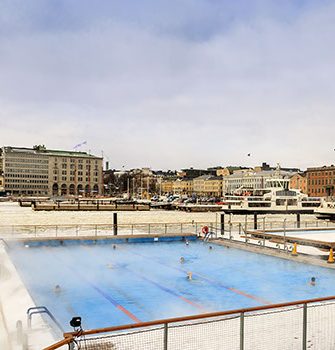
Take a sauna
Visit the public sauna Löyly, located along the Finnish coast. Sauna is one of the longest-standing traditional practices of Helsinki residents, but when combined with modern design and high-end amenities, it invites tourists to immerse themselves in the local culture of the city.
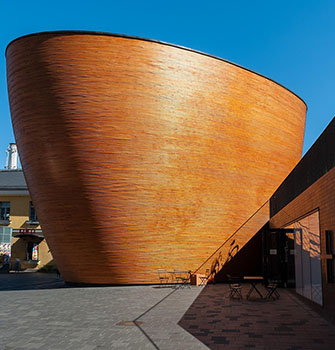
Kamppi Chapel
This highly minimalist, original chapel resembles Noah's Ark. Located in Narinkka Square, it is known as the "Chapel of Silence." The name aligns with the philosophy behind its construction: to serve as a place of quiet in the middle of a bustling part of the city.
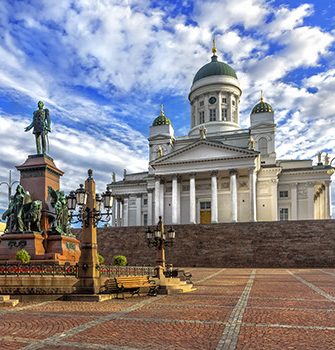
Senate Square
This beautiful square was designed in the 19th century. At the top of its 52 steps stands the Helsinki Cathedral, a church that stands out for its simplicity. In the square you will also see the main building of the University, the Parliament, and the National Library.
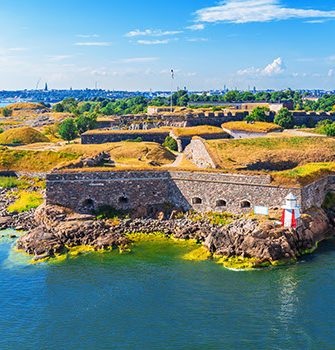
Suomenlinna Fortress
The fortress was built by the Swedes in 1748 for defensive purposes and continued to serve as a military base during the period when Finland was a Duchy of the Russian Empire. Spanning across 8 islands with an area of 8 kilometers, it is an ideal spot for a relaxing afternoon walk.
Select your Travel type
Search destination
No trips were found matching your selection.
IDEAL DESTINATION
Where the silence of the Baltic becomes inspiration
Gastronomic journey in Helsinki
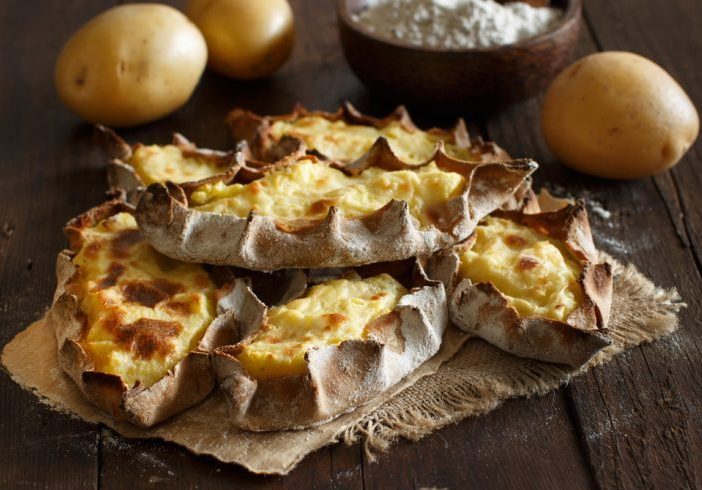
At the center lies the use of seasonal products, such as fish from the Baltic, wild mushrooms, game, root vegetables, berries, and herbs. Karjalanpiirakka (Karelian pies), lohikeitto (salmon soup), kalakukko (fish baked in bread), and poronkäristys (sautéed reindeer with mashed potatoes) remain symbols of Finnish gastronomy. The new generation of chefs in Helsinki brings innovation while respecting tradition. Restaurants like Olo, Grön, and Finnjävel offer tasting menus with an emphasis on organic and foraged ingredients, while Savotta and Lappi Ravintola honor traditional Finnish cuisine. Coffee and brunch culture is present everywhere in Helsinki. The city is friendly to vegans & vegetarians, featuring numerous bistros, smoothie bars, and restaurants based on plant-based Finnish tradition.
The best time to visit Helsinki
Visiting Helsinki in summer and winter are two very different experiences. Think carefully about which season best suits your travel style. In winter, the sun often only comes out for 6 hours, but in summer, you will enjoy the sun for up to 19 hours a day. If you want to see the sights, enjoy Helsinki’s parks, and visit the islands comfortably, summer is definitely the best time to visit.
How to get around Helsinki

Options for traveling to/from the airport
Helsinki-Vantaa International Airport is located 19 km from the center of Helsinki and can be reached by car in about 25 minutes. The best way to reach the city center is to take the Finnair City Bus airport bus, which connects the airport to Helsinki Central Railway Station in 30 minutes. Services depart every 20 minutes, from 05:00 to 00:00. Alternatively, public bus No. 615 (No. 620 during night hours) runs the same route (Helsinki Central Railway Station – Airport) daily, making separate stops outside the airport’s two terminals. The journey takes about 40 minutes. You can also take a taxi or the Ring Rail Line train to the central railway station.

Public Transport
Helsinki has an excellent public transport system (HSL) that includes bus, tram, metro, commuter train, and ferry services. With a single ticket you can take trams, buses, the metro, and even the municipal ferry to Suomenlinna. You can even transfer from one mode of transport to another, as long as your ticket is still valid. You can purchase single tickets using the HSL mobile app, or from HSL ticket machines, R-kiosks, and other HSL sales points.
Questions / Answers
Q&A
Suomenlinna Fortress, Helsinki Cathedral, the Design District, Allas Sea Pool, and the Kauppatori Market Square.
Yes, but it offers options for every budget and quality of services.
Its connection with nature, minimal design, and cultural intelligence.
Scandinavian, featuring wild ingredients, fresh fish, and creativity in its dishes.
Summer for festivals and white nights, while winter is suitable for a snowy atmosphere.
![City Break with food walking tour in Athens [4days]](https://mazitravel.com/wp-content/uploads/2026/01/Athens-AdobeStock_125876014-scaled-e1769512144460.jpeg "City Break with food walking tour in Athens [4days]")