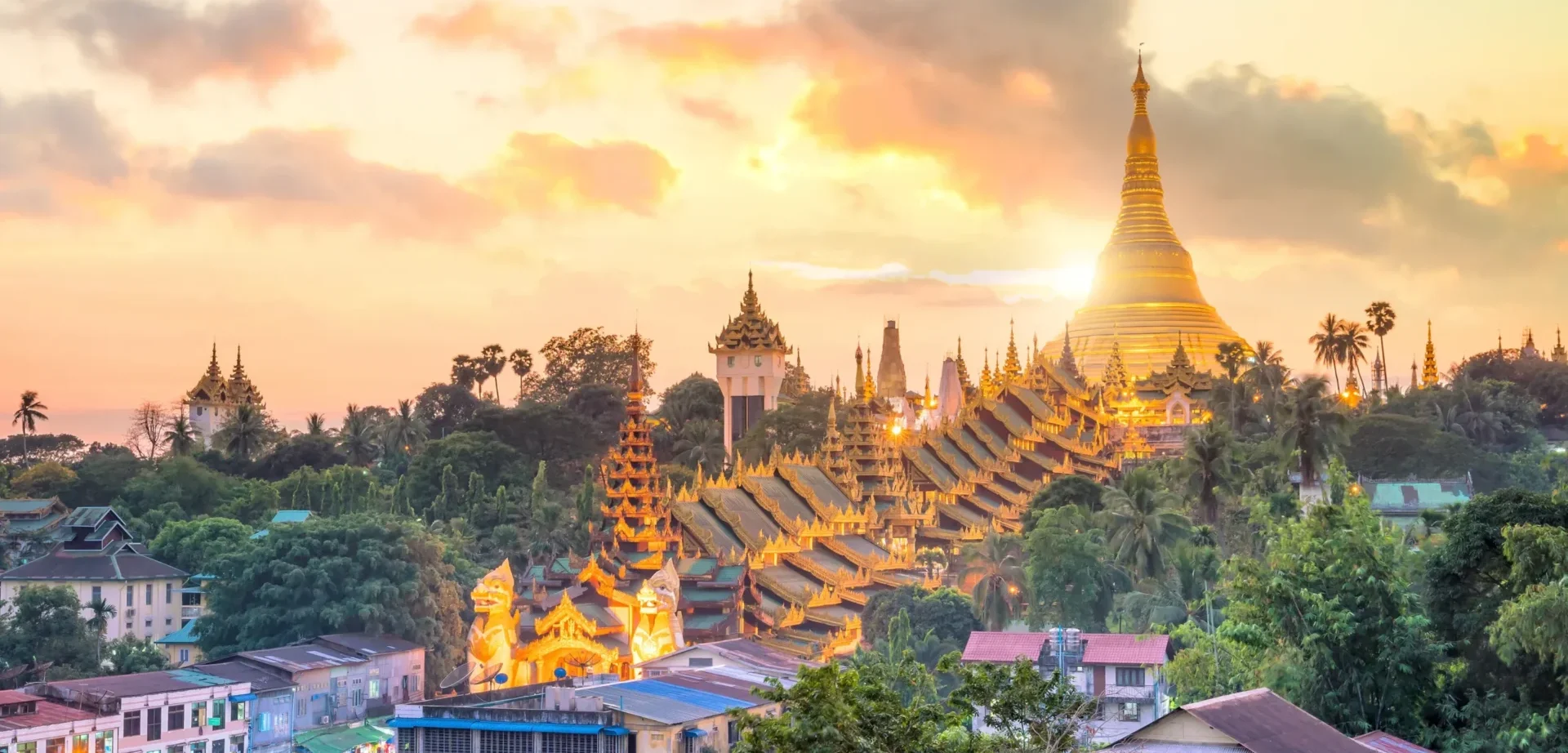
Yangon is a city that captivates the senses. It is the delicate fragrance of jasmine mingling with the irresistible aromas of street food, the soothing sounds of Buddhist chants, and the colourful longyi (traditional wraparound garments) worn by both men and women. The city’s fascinating past is reflected in the elegant British colonial buildings lining Strand Road and the historic city centre, where architectural grandeur tells stories of a bygone era. Despite the considerable challenges it faces, Yangon’s true soul lies in its people, remarkably kind, humble and welcoming, always ready to share a warm smile. A stroll through Yangon is more than a sightseeing experience. It is a profound spiritual and cultural journey into the heart of an Asia that continues to preserve its authentic traditions, timeless character and distinctive identity in an increasingly modern world.
Yangon
The Golden City of Pagodas and Colonial Grandeur
Yangon (formerly Rangoon), the largest city in Myanmar, is a captivating blend of British colonial architecture, spiritual traditions and vibrant Asian street life. Although it is no longer the capital, Yangon remains the country’s commercial and cultural heart. Wander through atmospheric streets lined with weathered yet elegant colonial buildings, experience the profound sense of devotion surrounding the magnificent golden pagodas shimmering in the sunlight, and immerse yourself in a city where time seems to stand still. With its warm, welcoming smiles, enticing aromas of exotic spices and unforgettable sights, Yangon offers an authentic travel experience filled with fascinating contrasts, rich cultural heritage and timeless charm. A journey through Yangon is an invitation to discover the soul of Myanmar, where history, spirituality and everyday life come together to create memories that last a lifetime.
Highlights
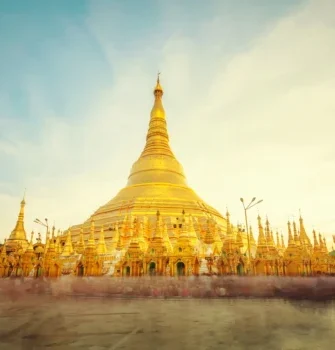
Shwedagon Pagoda
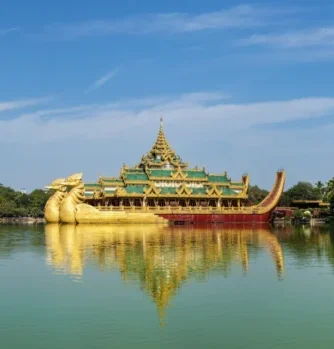
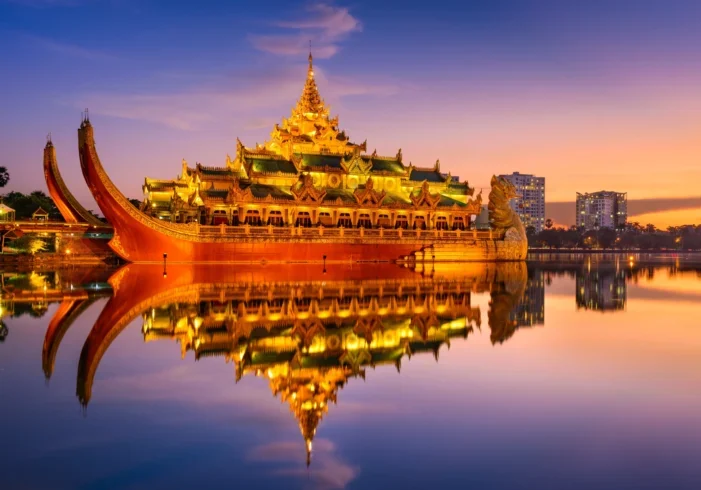
Kandawgyi Lake
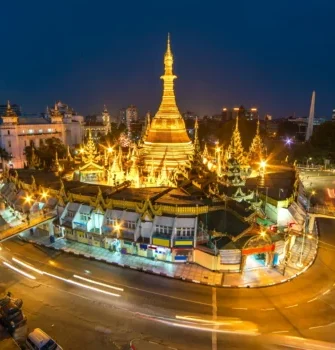
Sule Pagoda
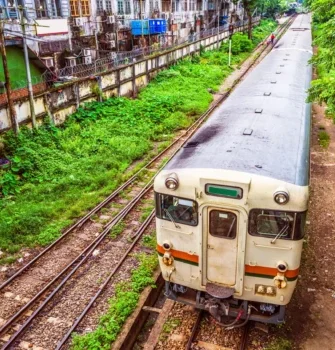
Yangon Circular Train
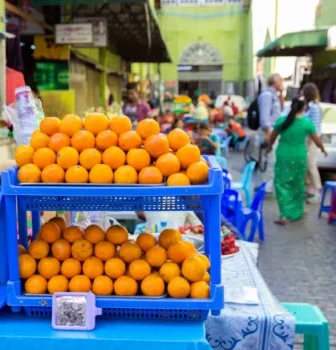
Bogyoke Aung San Market
Select your Travel type
Search destination
A Journey Through Time and Golden Splendour
A Culinary Journey Through Yangon
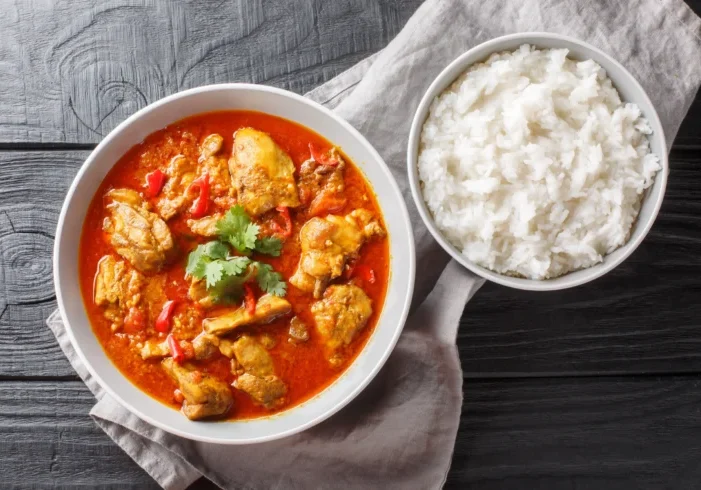
Burmese cuisine is a delightful fusion of Indian, Thai and Chinese culinary influences, offering a rich variety of flavours, aromas and traditional dishes. Be sure to try Mohinga, Myanmar’s national dish – a delicious, aromatic fish soup with rice noodles, traditionally enjoyed for breakfast. Another must-try speciality is Lahpet Thoke, the famous Burmese tea leaf salad, along with traditional Burmese curries, typically served with an assortment of small side dishes. For an unforgettable street food experience, head to 19th Street in Yangon’s Chinatown, a lively culinary hotspot filled with sizzling grilled skewers, fresh seafood and refreshing local beer. From bustling street stalls to authentic family-run eateries, Yangon’s vibrant food scene invites travellers to discover the unique flavours and culinary traditions of Myanmar.
The Best Time to Visit Yangon
The best time to visit Yangon is during the dry season, from November to February, when temperatures are pleasantly warm, typically ranging between 20°C and 30°C, with minimal rainfall. This is the ideal period for sightseeing, exploring the city’s magnificent pagodas and discovering its rich cultural heritage. From March to May, temperatures rise significantly, often reaching 40°C, making outdoor activities more challenging. Between June and October, Yangon experiences the monsoon season, characterised by heavy tropical rainfall and extremely high humidity. For the most comfortable and enjoyable travel experience, November to February offers the best weather conditions to explore the vibrant streets, historic landmarks and cultural treasures of Yangon.
How to Get Around Yangon

Airport Transfer Options
Yangon International Airport (RGN) is located approximately 15–20 km from the city centre.
One of the most convenient options for reaching central Yangon is to use Grab, a popular ride-hailing app similar to Uber, which allows travellers to book a taxi and check the fare in advance.
Alternatively, official airport taxis are available outside the terminal. If choosing this option, it is advisable to agree on the fare with the driver before starting your journey to avoid unexpected charges.
For a more comfortable arrival, travellers can also arrange a private airport transfer in advance, ensuring a smooth and convenient journey to their accommodation.

Public Transport
Downtown Yangon is relatively easy to explore on foot, allowing visitors to discover its fascinating colonial architecture, bustling markets and vibrant street life. However, pavements can often be uneven, so comfortable footwear and extra care are recommended.
Interestingly, motorcycles are prohibited in much of central Yangon, contributing to the city’s heavy car traffic and frequent congestion.
For journeys to attractions further afield, such as the magnificent Shwedagon Pagoda, taxis booked through the Grab app are generally one of the most convenient, affordable and reliable transport options.
Local public buses are also extremely inexpensive, although they can be very crowded, particularly during peak hours. As route information and signs are often displayed only in Burmese, navigating the bus network can be challenging for international visitors.
Q&A
Yes, Greek citizens, like most international travellers, are required to obtain a Myanmar tourist e-Visa before arrival. The e-Visa is intended for tourism purposes and generally allows a stay of up to 28 days.
Travellers are advised to check the latest visa requirements and entry conditions before departure.
Although street crime and petty theft are relatively uncommon in Yangon, visitors should exercise caution due to Myanmar’s ongoing political instability and security concerns.
Travellers are strongly advised to check the latest official travel advisories before departure, remain informed about local developments and avoid demonstrations, political gatherings and areas affected by unrest.
Important: The security situation can change rapidly, and incidents involving violence have occurred in Yangon, including in areas frequented by visitors. Always consult official government travel advice before making travel arrangements.
The official currency of Myanmar is the Myanmar Kyat (MMK). The country remains largely cash-based, so travellers should carry sufficient local currency for everyday expenses, shopping, transport and dining.
It is advisable to bring US dollars or euros in excellent condition, preferably crisp, clean banknotes without folds, tears, marks or stains, as damaged notes may be rejected by currency exchange services.
Credit and debit cards are not widely accepted, and ATM availability and reliability can be limited. Travellers should therefore avoid relying exclusively on card payments.
For a smoother travel experience, exchange money only through authorised banks or licensed exchange services and check the latest payment conditions before departure.
Dress codes are strictly observed at temples and pagodas throughout Myanmar. Both men and women are expected to wear modest clothing that fully covers their shoulders and knees when visiting religious sites.
Visitors must also remove their shoes and socks before entering sacred areas, as walking barefoot is an important sign of respect in Burmese Buddhist traditions.
Choosing lightweight, comfortable and respectful clothing will help ensure a pleasant and culturally appropriate experience when exploring Myanmar’s magnificent temples and spiritual landmarks.
2–3 days are ideal for exploring Yangon’s main attractions, soaking up the charming colonial atmosphere of the historic city centre, and discovering the rich flavours of traditional Burmese cuisine.
This gives travellers enough time to experience the city’s cultural and spiritual highlights before continuing their journey to other fascinating destinations in Myanmar, such as Bagan.
![City Break with food walking tour in Athens [4days]](https://mazitravel.com/wp-content/uploads/2026/01/Athens-AdobeStock_125876014-scaled-e1769512144460.jpeg "City Break with food walking tour in Athens [4days]")