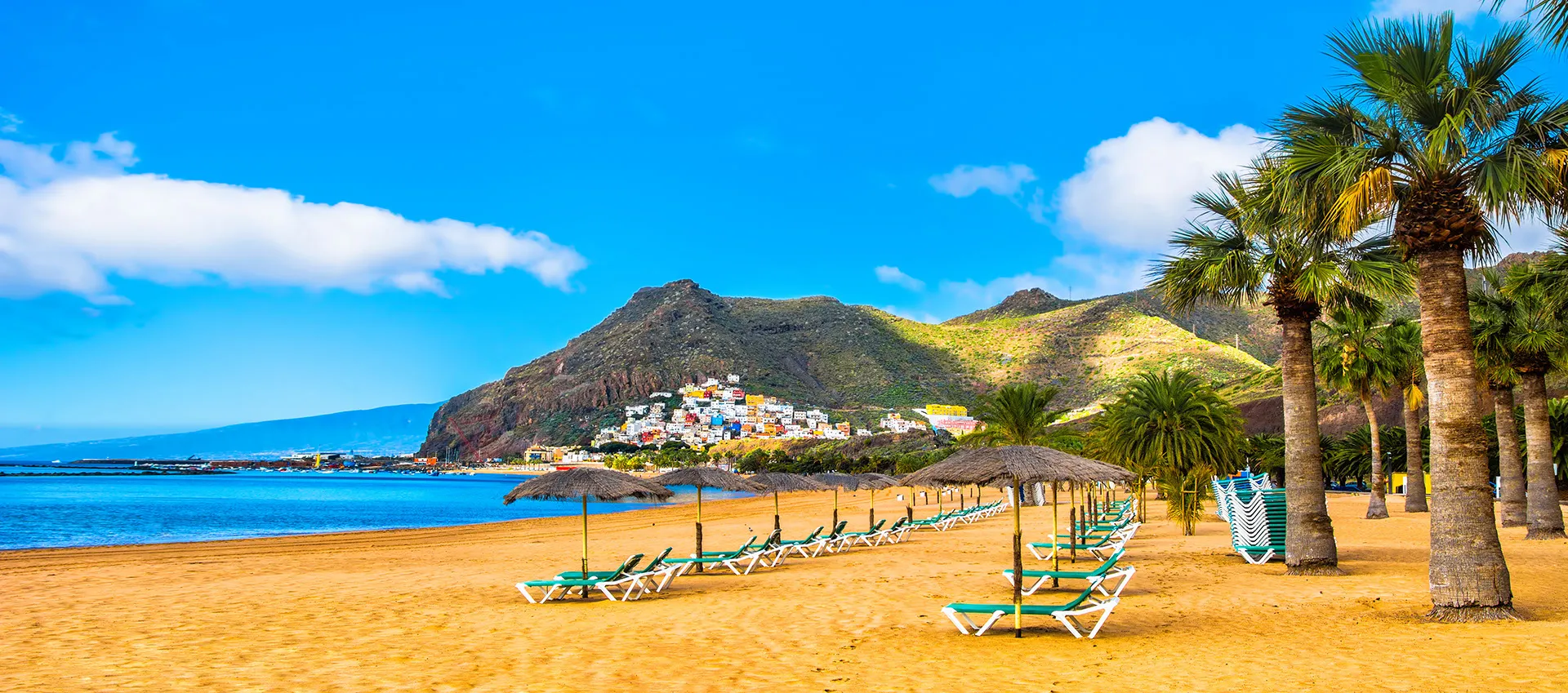
The Canary Islands are situated in the Atlantic Ocean, off the coast of Northwestern Africa, yet they form an integral part of Spain. The archipelago comprises seven main islands alongside several smaller islets, offering a diverse array of landscapes. Renowned as the “Islands of Eternal Spring,” they stand out for their mild climate, surreal volcanic terrains, exotic beaches, and lush biodiversity. With pleasant temperatures year-round, the Canary Islands serve as the ultimate year-round getaway.
Canary Islands
The Eternal Sun of the Atlantic
The Canary Islands, a Spanish archipelago in the Atlantic Ocean, are one of the world’s most popular destinations thanks to their year-round mild climate. Each island possesses its own unique identity: Tenerife with the majestic Mount Teide volcano and vibrant beaches, Gran Canaria with the dramatic Maspalomas sand dunes, Lanzarote with its surreal volcanic landscapes, Fuerteventura with endless dune beaches, and the quieter La Palma, El Hierro, and La Gomera, which enchant visitors with unspoiled nature.
The archipelago seamlessly blends traditional villages, modern tourist facilities, and unique natural parks. Offering activities ranging from water sports and hiking along volcanic trails to cultural events and rich culinary experiences, the Canary Islands truly offer something for everyone—a destination that harmoniously combines sun, sea, nature, and culture.
Highlights
Fuerteventura
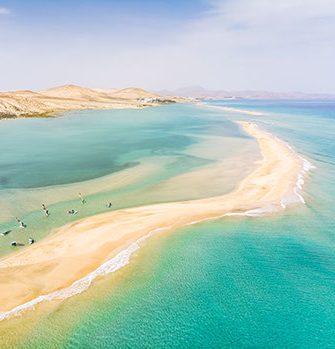
The oldest island in the archipelago and the one with the most untamed winds. It is considered a paradise on earth for windsurfers and kiteboarders, but it is equally perfect for anyone simply looking to recharge under the sun. Fuerteventura's pristine white beaches offer ideal spots for secluded relaxation among the sweeping sand dunes.
Tenerife
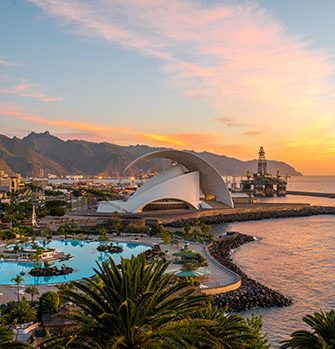
Here you will find cosmopolitan cities with historic centers, charming small villages, lush countryside, and picturesque fishing hamlets. The capital is a modern metropolis boasting grand historic structures alongside striking contemporary architecture—a unique mix of Spanish and South American styles infused with African influences. Days in Tenerife are an endless journey of colorful *fiestas*.
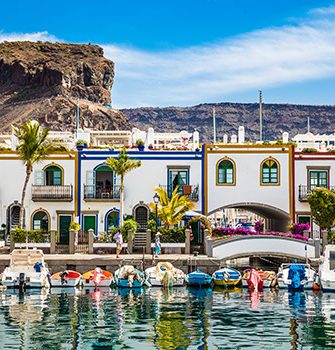
Gran Canaria
The most popular of the Canary Islands. Its capital, Las Palmas, is located in the northern part of the island, set in a stunning location defined by two bays and their beautiful beaches: Playa de las Canteras and Playa de las Alcaravaneras.
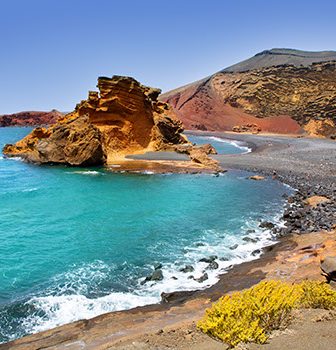
Lanzarote
Striking volcanic landscapes, lunar terrains, tropical breezes, and the deep blue waters of the Atlantic Ocean invite you to create unforgettable memories in Lanzarote. The otherworldly lunar soil of Timanfaya National Park became one of the main reasons the island was designated a UNESCO Biosphere Reserve.
Select your Travel type
Search destination
IDEAL DESTINATION
The Paradise of Eternal Spring
A Gastronomic Journey through the Canary Islands
The cuisine of the Canary Islands is a flavorful journey blending Mediterranean, African, and Latin American influences to create truly unique tastes. Famous above all are the papas arrugadas (wrinkled potatoes cooked in salted water) served with vibrant mojo rojo and mojo verde sauces. Fresh fish and seafood, artisanal local cheeses, and tropical fruits showcase the region’s rich identity. Volcanic-soil wines—especially those from Lanzarote—and traditional desserts round out an extraordinary culinary experience.

The best time to visit the Canary Islands
With their mild subtropical climate and an average temperature of 25°C throughout the year, the islands create an idyllic backdrop for relaxation and enjoyment. Known as the destination where spring never seems to end, they are among the sunniest places in the world—making any time of year a perfect opportunity to visit.
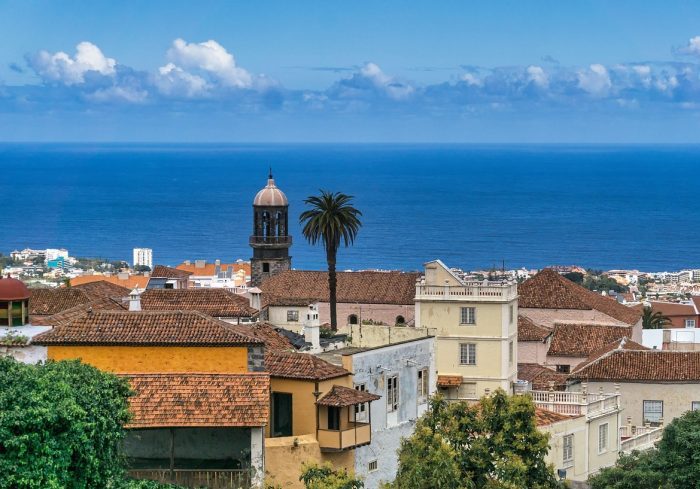
How to get around the Canary Islands

Transportation options to/from the airport
Major islands in the Canaries feature airports connecting the archipelago with mainland Spain and other international destinations. There are no direct flights from Greece, so travel is serviced via European transfer hubs. All airports across the four largest islands (Tenerife, Gran Canaria, Lanzarote, and Fuerteventura) are located close to their respective capitals, making transit quick and convenient.

Public Transportation & Island Hopping
Renting a private car is one of the best ways to explore each island freely. Alternatively, you can rely on the local public bus networks on every island, which offer regular routes connecting the capitals with surrounding areas, neighboring villages, and nearby beaches. Taxis are also readily available for quick trips within towns and cities.
To travel between islands, frequent daily ferry connections operate from the main ports of each island, making island hopping seamless and convenient.
Questions / Answers
Q&A
For year-round sunshine, exotic beaches, dramatic volcanic landscapes, and an incredible array of unique activities.
Any time of year, thanks to the pleasant year-round climate. Ideally, autumn and spring offer the best experience with fewer crowds and ideal weather.
Tenerife for diversity, Gran Canaria for vibrant nightlife and local atmosphere, Lanzarote for dramatic volcanic landscapes, Fuerteventura for endless white-sand beaches, La Palma for lush nature and hiking.
Yes, with safe beaches, world-class theme parks, and activities suited for all ages.
Papas arrugadas served with red and green mojo sauces, fresh local seafood, artisanal Canary cheeses, and distinct volcanic wines.
![City Break with food walking tour in Athens [4days]](https://mazitravel.com/wp-content/uploads/2026/01/Athens-AdobeStock_125876014-scaled-e1769512144460.jpeg "City Break with food walking tour in Athens [4days]")