Belgrade is a city full of vitality, contrasts, and historical significance. Built at the confluence of the Danube and Sava rivers, it harmoniously blends Balkan tradition with a modern urban rhythm. It captivates visitors with the Kalemegdan Fortress, its historic buildings, the cafés of the bohemian Skadarlija district, and its renowned nightlife. It is an authentic, welcoming destination full of surprises.
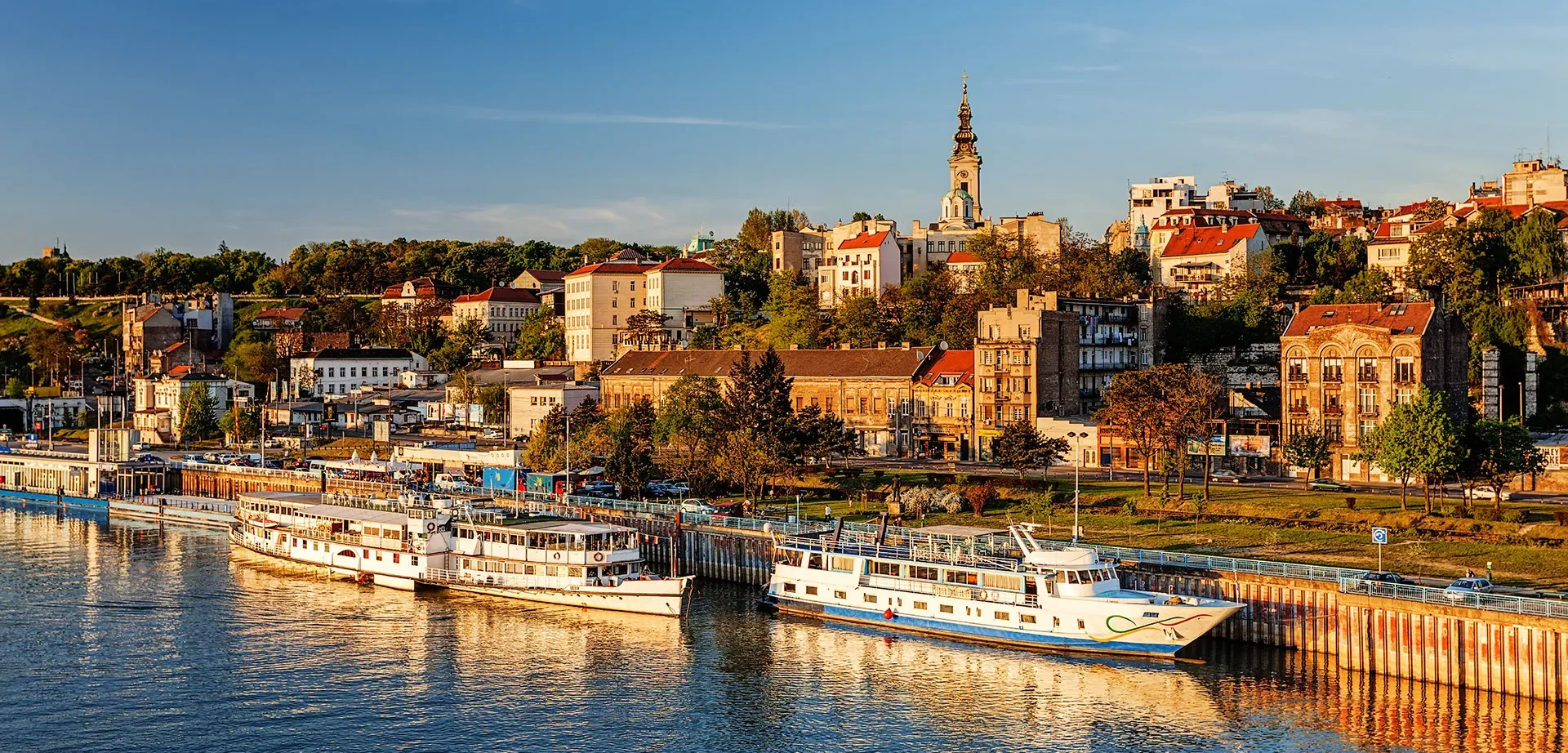
Belgrade
The Serbian capital that knows how to reinvent itself and celebrate life
Belgrade, known as the “white city” on the banks of the Danube and Sava rivers, is brimming with energy, contrasts, and history. From the Kalemegdan Fortress to the modern district of Savamala, the city blends Byzantine monuments, a Soviet past, and contemporary art in an effortless and authentic way. Visitors enjoy coffee in Skadarlija, the Serbian “Montmartre”, explore open-air markets, and savor local flavors in traditional taverns. Belgrade is renowned for its vibrant nightlife, cultural festivals, and genuine, proud identity. Whether you are seeking cultural immersion, lively experiences, or a relaxed urban vibe, Belgrade is an ideal destination for every occasion.
Highlights

Nikola Tesla Museum
The Nikola Tesla Museum holds one of the most important collections of documents and historical evidence regarding the life and work of the great scientist. Its rooms overflow with hundreds of thousands of materials related to Tesla's accomplishments, including photographs, personal correspondence, books, and various original documents.

House of Flowers (Kuća Cveća)
Here is another must-visit landmark to include on your list. It is one of Serbia's most significant historical attractions. Originally built as a winter garden and residence for Josip Broz Tito, it now serves as the mausoleum for the former Yugoslav president and his wife, Jovanka. Part of the complex is dedicated to exhibitions detailing his life, political legacy, and historical gifts.

Church of Saint Sava
With a dome standing roughly 80 meters high, the cathedral is one of the largest Orthodox churches in the world. It stands on the spot where the relics of Saint Sava, the founder of the Serbian Orthodox Church, were burned. Beyond its religious significance, the church's hilltop location offers a magnificent panoramic view of the city.

The National Museum
With an impressive collection of around 400,000 items, the National Museum houses one of the country's most significant cultural collections. It features artifacts and artworks spanning various historical epochs from prehistoric times to the present day. One of its standout sections is the numismatic collection, which showcases a remarkable array of local and foreign coins.

Kalemegdan Park
Kalemegdan Park is one of the most captivating places in Belgrade. Thanks to its elevated position, you can admire the confluence of the Danube and Sava—the two rivers that flow through the city. Kalemegdan stands as one of the largest and most popular parks in Belgrade.
Select your Travel type
Search destination
No trips were found matching your selection.
IDEAL DESTINATION
A city that never stops living
A Culinary Journey through Belgrade
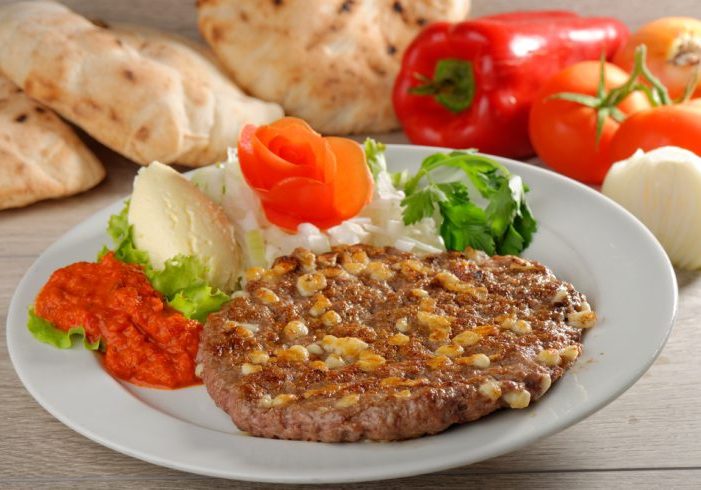
Belgrade’s gastronomy blends Balkan, Ottoman, and Central European influences. Traditional dishes such as ćevapi, pljeskavica, and sarma dominate local tables, while hearty soups and stews deliver rich, home-style flavors. These are typically paired with local wines and regional fruit brandy (rakija). Along the banks of the Danube and Sava rivers, floating restaurants offer fresh fish alongside live music, creating an authentic experience of Serbian hospitality.
The best time to visit Belgrade
Spring and autumn (April–June, September–October) are ideal for walking, enjoying local festivals, and experiencing mild weather. In the summer, the city comes alive with riverside events, though temperatures can rise significantly.

How to get around Belgrade

Airport transportation options
Belgrade is connected by rail to other Serbian cities and several European capitals. You can also fly directly to Belgrade via flights operating from both Athens International Airport (Eleftherios Venizelos) and Thessaloniki Airport (Makedonia), or travel by private car. Additionally, train services connect Thessaloniki to Belgrade via Skopje.
Nikola Tesla Airport is located 18 km west of the city center. Access to the city is available by bus (Line A1, running every 20 minutes, and Line 72, running every 24 minutes) or by taxi.

Public Transportation
The city is very accessible for visitors to navigate, boasting an extensive public transportation network. Get around using urban and intercity bus lines, as well as trolleybuses and trams, some of which even offer routes with complimentary sightseeing tours.
Questions / Answers
Q&A
Kalemegdan Fortress, Skadarlija, the Church of Saint Sava, and the Nikola Tesla Museum.
Yes! From food to accommodation, the city offers excellent value for money. It is one of the most budget-friendly capitals in Europe, allowing visitors to enjoy rich culture, vibrant nightlife, and exceptional dining at a fraction of Western European costs.
Absolutely! Belgrade is famous worldwide for its energetic nightlife, particularly its unique “splavovi”—vibrant floating bars and clubs anchored along the Sava and Danube rivers. Combined with underground venues and artistic districts, the city offers an unforgettable party scene that lasts until sunrise.
2–3 days are enough to cover the main highlights, though you can easily stay longer to dive deeper into its neighborhoods, culinary scene, and vibrant nightlife.
By air or by road via North Macedonia (Skopje) and Serbia (Niš)—approximately an 8 to 9-hour drive from Thessaloniki.
![City Break with food walking tour in Athens [4days]](https://mazitravel.com/wp-content/uploads/2026/01/Athens-AdobeStock_125876014-scaled-e1769512144460.jpeg "City Break with food walking tour in Athens [4days]")