Reykjavik is not just the northernmost capital of Europe, it is surrounded by volcanoes, geysers, glaciers, lakes, and the North Atlantic, which determine the pace of life. The city balances between the silence of the Arctic and the pulse of art, music, and human creation. It is authentic, sustainable, and inspired, the ideal travel destination that will leave you with the most beautiful impressions.
Reykjavik
The charm of the northern capital against a backdrop of volcanoes and glaciers
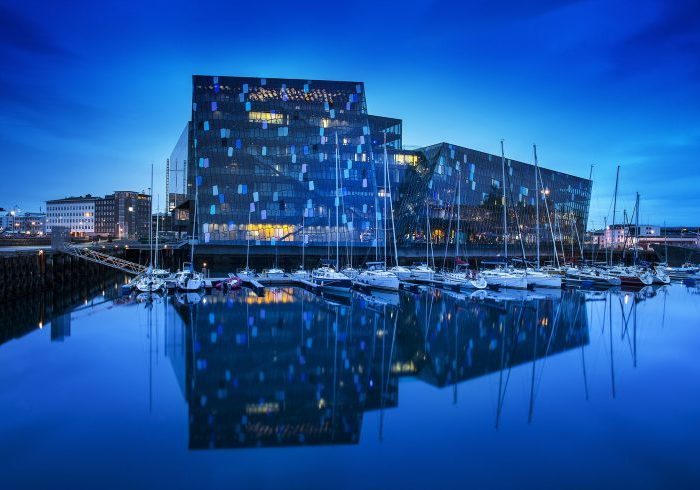
Reykjavik is the capital and largest city of Iceland. It is located in the southwestern part of the island, near the Atlantic Ocean. One of its most characteristic landmarks is the Hallgrímskirkja church, the largest church in Iceland and an architectural achievement. Visit the Saga Museum & National Museum of Iceland, known for the history of the Vikings and their national identity, and the Reykjavik Art Museum, which hosts exhibitions of contemporary and traditional art. Tour the Harpa Concert Hall, a modern music center and theater with an impressive glass facade, which hosts events and concerts all year round. Take boat rides in Faxaflói Bay with whales and seabirds, relax in hot springs like the Sky Lagoon or the famous Blue Lagoon, and go on night excursions under the Northern Lights. Colorful cafés and design bars, live music, and festivals, such as Iceland Airwaves or the Winter Lights Festival, are ideal for evening entertainment and amusement.
Highlights
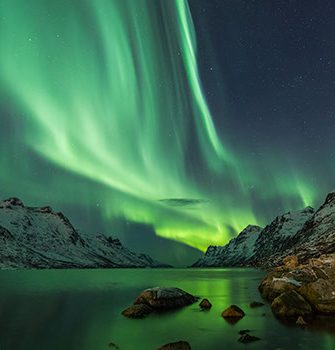
The Northern Lights
Every traveler to this place expects to encounter the Northern Lights. There are higher chances of seeing them between October and March and in areas without light pollution, as the hours of darkness are fewer during the remaining months.
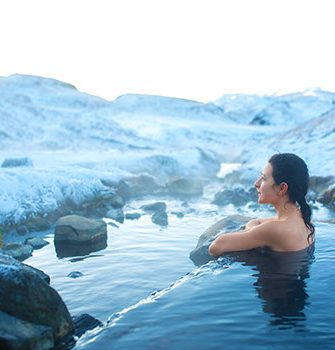
Blue Lagoon
It is an outdoor natural geothermal pool, fed by heated seawater rich in minerals from the nearby geothermal plant. It is located in a stunning location, where volcanic plains take center stage.
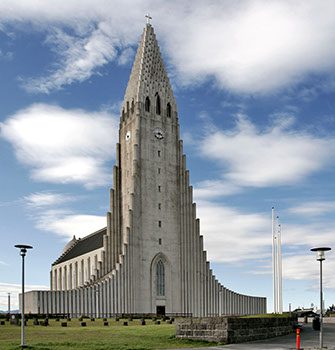
The church Hallgrimskirkja
It is a very unique church near the city center, which is also the largest in Iceland. Apart from its unusual stepped construction, the view from the bell tower is equally spectacular.
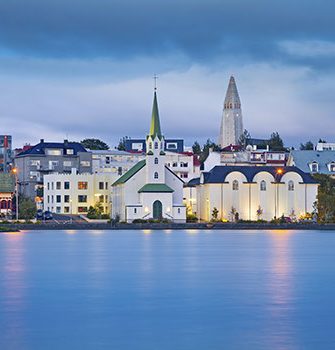
The City
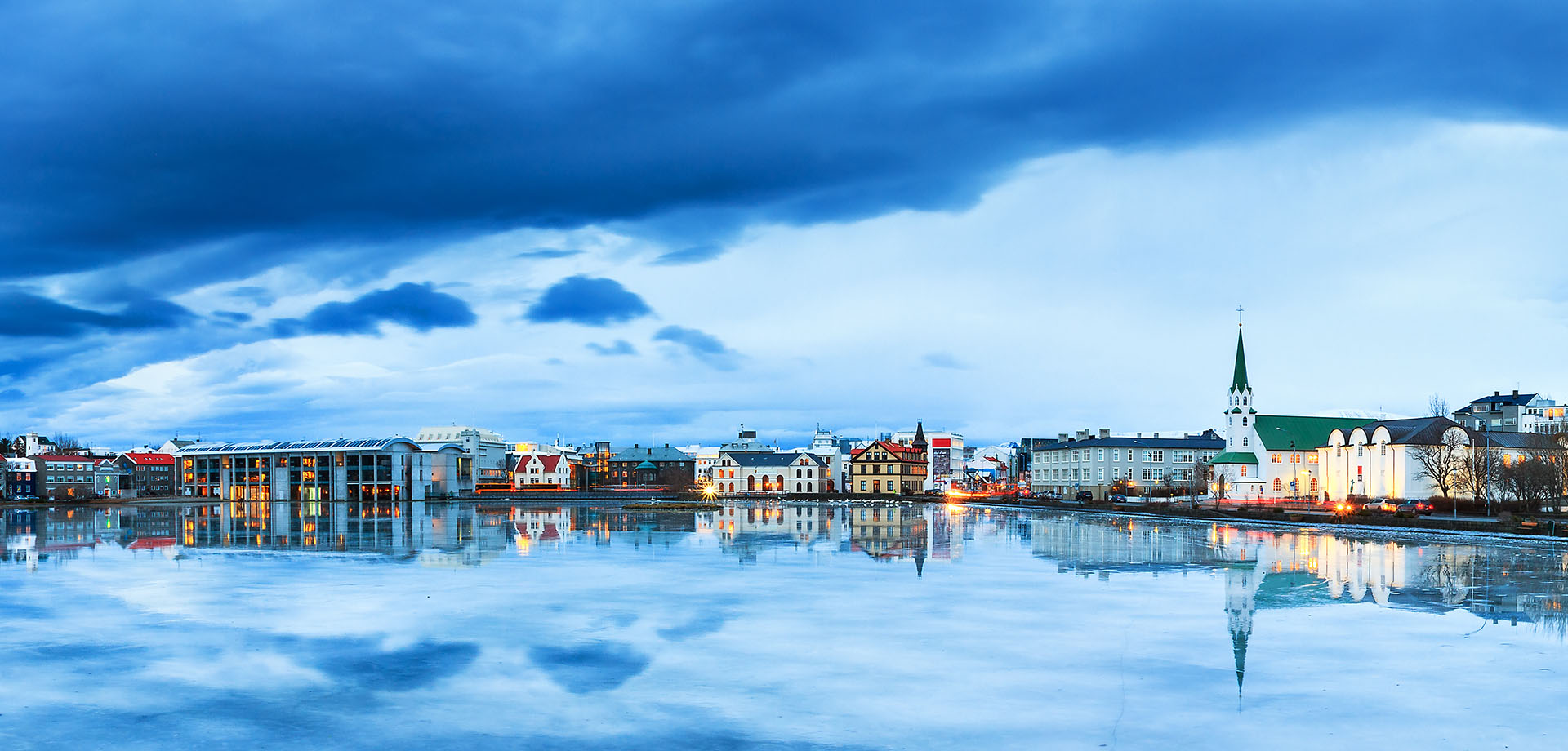
The northernmost capital on the planet is a colorful oasis in the North Atlantic. Its historic center has the characteristics of Northern European settlements. Modern cafés, pubs, incredible street art, and public hot spring pools.
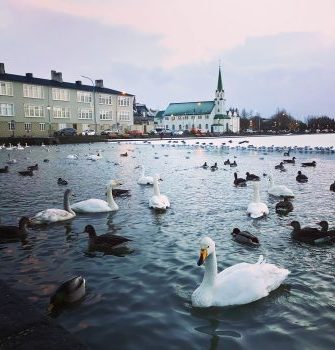
Lake Tjornin
A majestic and beautiful lake near the center of Reykjavik. Apart from the ducks, geese, and swans on the lake, you will also see the highly modern City Hall and many traditional Icelandic houses and city museums.
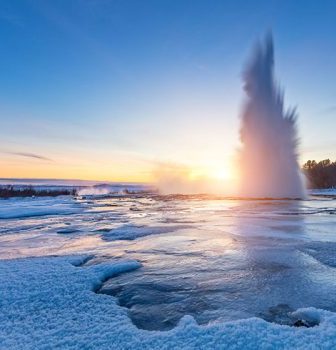
At Geysir
In this geological park in the middle of nowhere, hot water flows at 100 degrees forming steamy pools and water jets, with the most impressive being Strokkur, a geyser that shoots hot water tens of meters high into the air every three minutes.
Select your Travel type
Search destination
No trips were found matching your selection.
IDEAL DESTINATION
Connection with nature, culture, and the Scandinavian spirit
Gastronomic journey in Reykjavik
Gastronomy in Reykjavik is creative and closely connected to nature. Iceland, due to its climate, relies on local, pure ingredients. Try Plokkfiskur (mashed cod, potatoes, and butter), Hangikjöt (smoked lamb, served with potatoes and sauce), Kjötsúpa (lamb soup with roots and herbs), Rúgbrauð (rye bread baked geothermally in the ground), and Humar (Icelandic lobster (langoustine)). For sweet lovers, taste Skyr (traditional “yogurt,” plain or with berries), Kleina (fried pastry, similar to a doughnut), and Hjónabandssaela (“Happy Marriage Cake,” oat pie with rhubarb jam). Accompany your meals with Brennivín (traditional caraway spirit, also called “Black Death”), Craft beers from breweries like Einstök, Borg Brugghús, and Ölvisholt, Geothermal cocktails (signature drinks with Icelandic herbs and ice), and Herbal teas (from wild Icelandic plants).

Best time to visit Reykjavik
Ideally, choose the period from May to August. The climate and prevailing temperatures are ideal for a comfortable and relaxing trip, while daylight hours also increase significantly during the day.
How to get around Reykjavik

Options for traveling to/from the airport
Keflavik Airport, the largest airport in Iceland, is located approximately 50 km from the center of Reykjavik and serves international flights. Transportation from the airport to the city is by bus (No. 55, €15), which departs from the airport’s only terminal. Alternatively, you can rent a car or a minivan. In this case as well, avoid the very expensive taxis.

Public Transport
Choose to get around the city on foot, due to its ideal size and the short distances between monuments. This way, you will more easily be able to feel the pulse of the city. Alternatively, use the city buses. Avoid taxis, as they prove to be the most expensive mode of transportation. There is no metro or train in Reykjavik.
Questions / Answers
Q&A
Hallgrímskirkja, Blue Lagoon, Harpa, Sun Voyager, and the city harbor.
It is one of the most expensive cities in Europe, but it also offers budget-friendly options.
Yes, mainly from October to March with clear skies.
Skyr, hot dog with remoulade, fresh lamb, and fish from the North Sea.
Reykjavik is extremely safe, with a friendly and calm atmosphere.
![City Break with food walking tour in Athens [4days]](https://mazitravel.com/wp-content/uploads/2026/01/Athens-AdobeStock_125876014-scaled-e1769512144460.jpeg "City Break with food walking tour in Athens [4days]")