Among cobbled streets, bridges, modern buildings, and royal palaces unfolds an impressive metropolis—a living example of how sustainability, human well-being, respect for nature, and urban elegance can harmoniously coexist. For those traveling on a budget, you will find free attractions, accessible public transport, and excellent street food. Copenhagen is a fascinating travel destination waiting to be discovered!

Copenhagen
Minimalist aesthetic, a sustainable city, and fairytale charm in the capital of Denmark
Copenhagen, the capital of Denmark and the heart of Scandinavian tradition, is one of the most multifaceted and intriguing destinations in Europe. It was recently named the second most sustainable city in the world. The city unfolds through impressive landmarks such as Tivoli Gardens, Amalienborg Palace, Rosenborg Castle, and the Nyhavn waterfront with its characteristic colorful houses. For art lovers, museums like the SMK – National Gallery of Denmark and Designmuseum Danmark reveal the city’s artistic identity, while the Christianshavn district and the Freetown of Christiania offer more alternative experiences. For luxury seekers, there are options in elegant hotels, wellness & spa experiences, and Michelin-starred restaurants.
Highlights
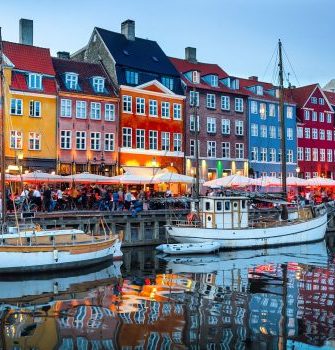
Nyhavn Port
The city's most famous canal, lined with colorful 17th-century houses, feels like a setting from a period movie. Hans Christian Andersen lived here for several years. You can enjoy a boat tour along the canals and admire some of the city's highlights.
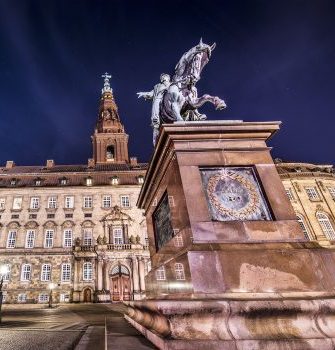
Christiansborg Palace
Located on the island of Slotsholmen, the Palace of the Christian Dynasty serves as the seat of Parliament, the Supreme Court, and also houses the Prime Minister's office. The palace took its current form following successive enhancements to the original castle built in 1167.
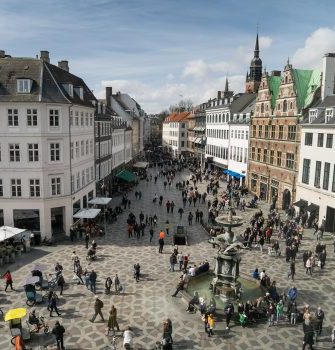
"Strøget" pedestrian street
The longest shopping pedestrian street in Europe is located in Denmark. It was a pioneering idea launched with much skepticism in 1962, and after 3 expansions, it now reaches 100,000 m², aligning with the city's ambition to become the greenest city on the planet.

Tivoli Gardens
A famous amusement park garden operating since 1843 over 82,000 m², it is today the second-oldest amusement park in the world. The rides operate during the summer months, while the park opens daily as it frequently hosts various events and concerts.
Select your Travel type
Search destination
No trips were found matching your selection.
IDEAL DESTINATION
Where fairytale, sustainability, and architecture naturally coexist
Gastronomic journey in Copenhagen
Nordic cuisine was born here and is expressed in the most iconic way at the legendary Noma, which has repeatedly been named the best restaurant in the world. However, Copenhagen features dozens more pioneering fine-dining restaurants that promote sustainability and creative presentation. For everyday culinary experiences, the Torvehallerne market offers ultra-fresh produce, traditional sandwiches, fresh seafood, and artisan coffees. Street food lovers will be thrilled with Reffen, a waterfront urban market made from shipping containers, featuring cuisines from every corner of the globe and a laid-back vibe. Try traditional dishes such as Smørrebrød (open-faced sandwiches), Frikadeller (meatballs), Gravad laks (cured salmon), and pastries like Kanelsnegle (cinnamon rolls).

Best time to visit Copenhagen
Copenhagen is a destination you can visit all year round. However, from May to October, the temperatures are more ideal and pleasant for exploring the city on foot.
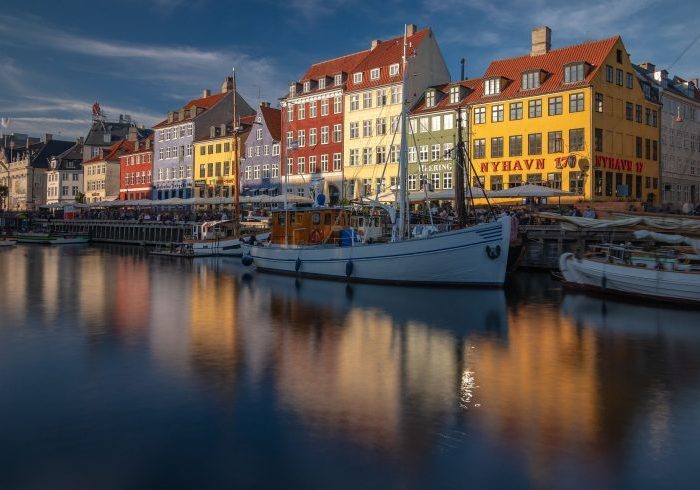
How to get around Copenhagen

Transportation options to/from the airport
You can travel to Copenhagen by air from Athens and Thessaloniki, as it hosts Denmark’s largest airport, located just 8 km from the city center. Your transfer from the airport to the city center can be made by train, metro, or taxi.

Public Transport
Copenhagen features an organized public transport network consisting of buses and the metro. A single ticket costs around €1.60 and is valid for both modes of transport. Naturally, a 24-hour pass is also available for around €18 for your convenience. Of course, the most common mode of transportation in Copenhagen is the bicycle, which allows you to discover every corner of this city.
Questions / Answers
Q&A
Nyhavn, Tivoli, palaces, cycling through the neighborhoods, and dinner at a bistro serving Nordic cuisine.
Yes, but with options for all budgets, as it features street food, bicycle rentals, and free museums on Sundays.
Absolutely! It’s the best way to experience the city like a local.
The City Center (Indre By), Vesterbro for vibrant nightlife, or Østerbro for a quiet, aesthetic experience.
Smørrebrød (open-faced sandwiches), frikadeller (meatballs), Nordic tapas, cinnamon rolls, and local craft beer.
![City Break with food walking tour in Athens [4days]](https://mazitravel.com/wp-content/uploads/2026/01/Athens-AdobeStock_125876014-scaled-e1769512144460.jpeg "City Break with food walking tour in Athens [4days]")