Cusco is not a city you can rush through, and the altitude itself makes sure of that, forcing you to slow down. Its atmosphere is a unique blend: in the morning, you can explore ancient trails and sacred valleys, and in the evening, find yourself in a world-class restaurant or a bar filled with travelers from every corner of the globe, sharing stories about Machu Picchu. Indigenous traditions (Quechua) are deeply rooted here, and respect for Pachamama (Mother Earth) remains an integral part of everyday life.
Cusco
The Ancient Capital of the Incas and the Gateway to Machu Picchu
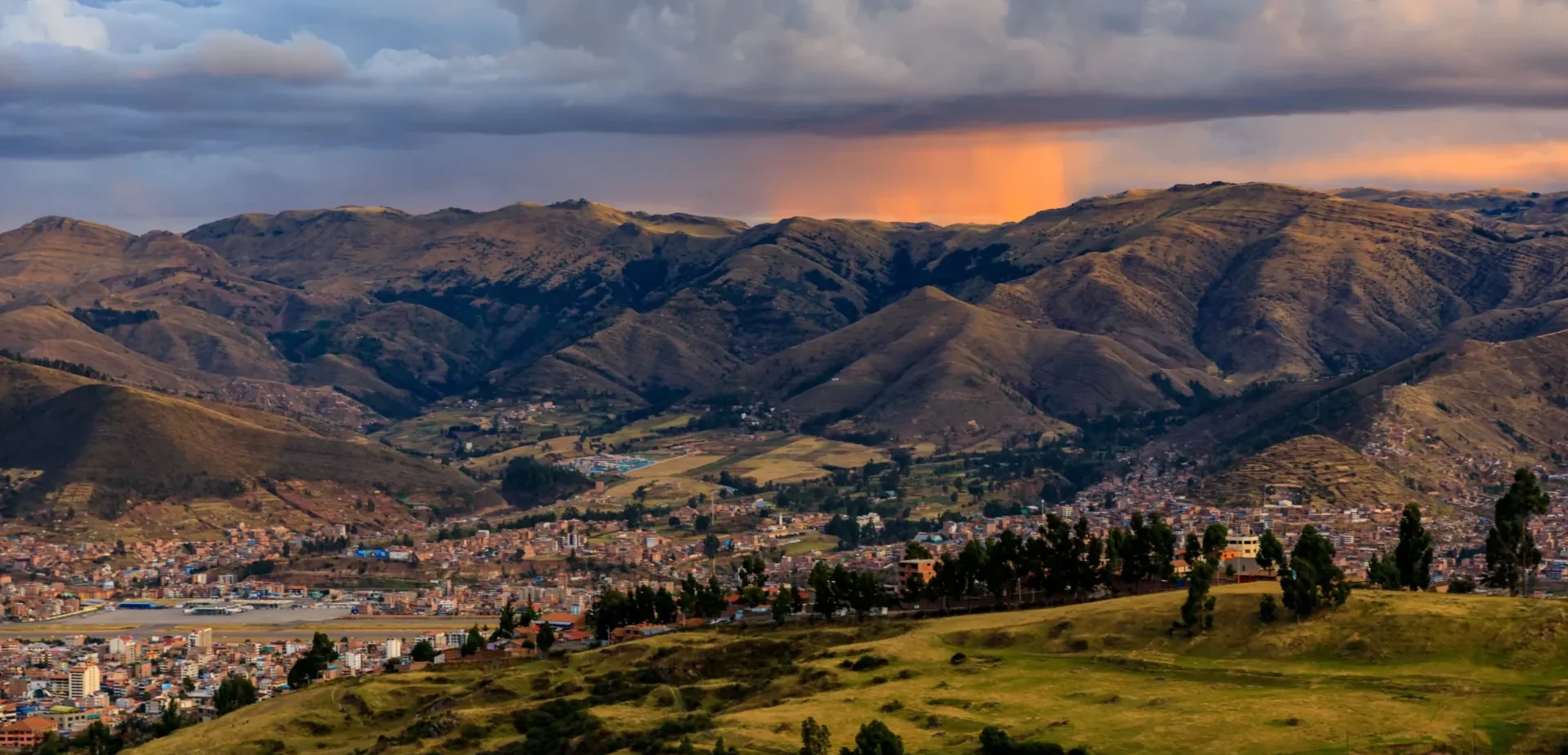
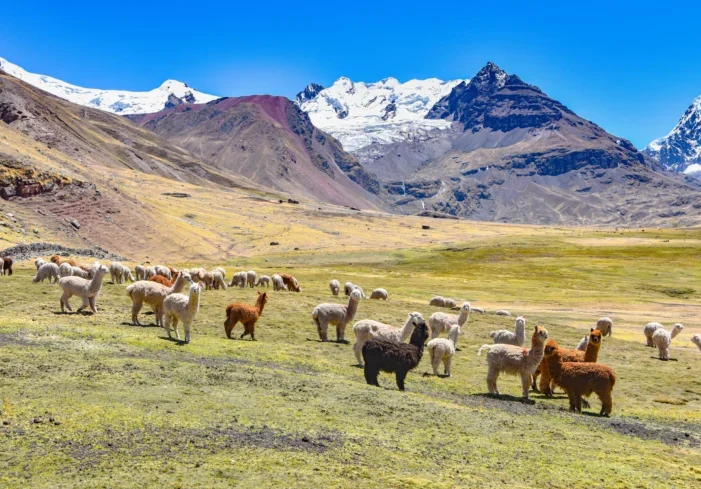
Cusco, nestled in the Peruvian Andes at an altitude of nearly 3,400 meters, is not just a stop on the way to Machu Picchu; it is one of the most enchanting historical destinations on the planet. Once considered the “Navel of the World,” it was the capital of the mighty Inca Empire. Today, the city is a living open-air museum, where the massive, perfectly carved Inca stone walls serve as foundations for elaborate Spanish colonial churches and mansions. Walking through its cobblestone streets, among locals dressed in colorful traditional clothing, the aromas of local markets, and alpacas, you can feel the powerful, mystical energy of a civilization that refuses to fade away.
Highlights
Plaza de Armas
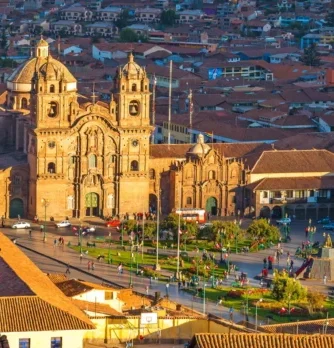
The main square has been the heart of the city since the Inca era. It is surrounded by impressive colonial arcades and dominated by the imposing Cusco Cathedral and the Church of the Compañía de Jesús. It is the perfect place to sit on a balcony and watch the city's daily life unfold.
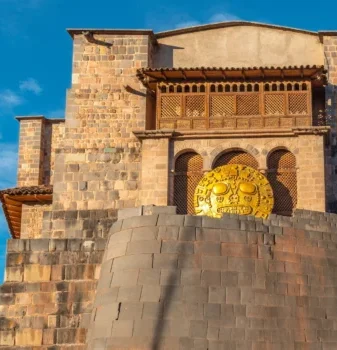
Temple of the Sun
Coricancha was the most important, wealthiest, and holiest temple of the Inca Empire, once entirely covered in sheets of pure gold. The Spanish conquistadors built the Santo Domingo Monastery on its foundations. It is the ultimate visual example of the clash and fusion of the two cultures.
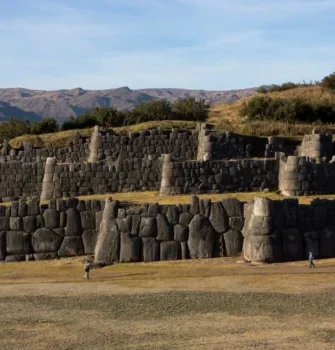
Sacsayhuamán Fortress
Just outside (and above) the center of Cusco lies this enormous ceremonial fortress. The massive stones in its zigzag walls weigh up to 300 tons each and are fitted together with such incredible precision (without any mortar) that not even a sheet of paper can fit between them.
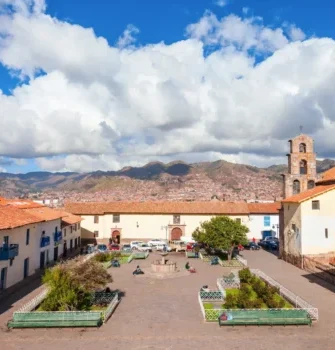
San Blas Neighborhood
Known as the “bohemian” and artistic neighborhood of Cusco. To reach it, you must climb steep, cobblestone streets, but you will be rewarded with stunning views, whitewashed houses with blue doors, dozens of artisan workshops, vegan cafés, small boutiques, and a very relaxed, alternative atmosphere.
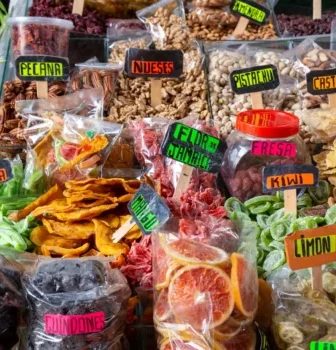
San Pedro Market
The city's main covered market is a feast for the senses. It is the best place to discover authentic everyday life: from stalls serving freshly squeezed exotic fruit juices and selling enormous loaves of bread to sections offering shamanic herbs, colorful alpaca wool textiles, and inexpensive local food.
Select your Travel type
Search destination
No trips were found matching your selection.
IDEAL DESTINATION
Mysticism, Stone, and the Rhythm of the Andes
A Culinary Journey Through Cusco
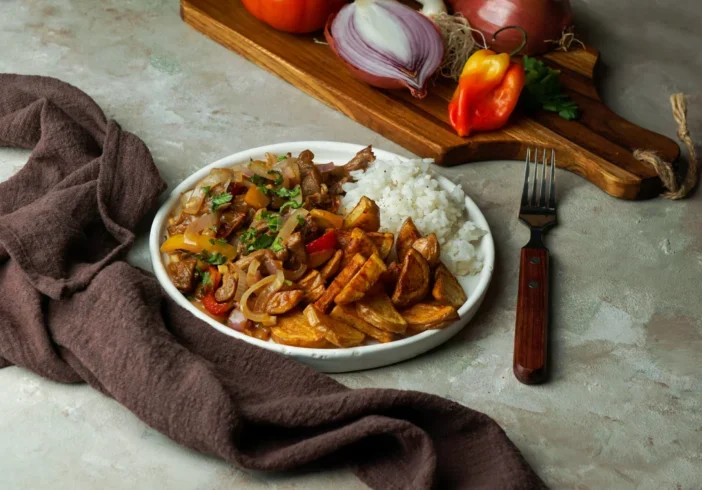
Peruvian gastronomy is taking the world by storm, and Cusco offers the best of Andean cuisine. You must try Lomo Saltado (sautéed beef with tomatoes, onions, and French fries, with a strong Chinese influence) and Alpaca Steak, which is cholesterol-free. More adventurous travelers should try the ultimate Andean specialty, Cuy (roasted guinea pig). To warm up, order a traditional quinoa soup (Sopa de Quinoa). Accompany your meal with Chicha Morada (a sweet, non-alcoholic drink made from purple corn) and, of course, a classic Pisco Sour cocktail.
The Best Time to Visit Cusco
In the Andes, there are mainly two seasons. The Dry Season (May to October) is the best time to visit Cusco and Machu Picchu. Days are sunny with clear blue skies, but be aware that temperatures drop sharply at night, often approaching freezing point (June to August is the peak tourist season). The Rainy Season (November to April) is warmer, but rainfall is frequent, which can cause landslides. Note: In February, the famous Inca Trail remains closed for maintenance.
How to Get Around Cusco

Transportation Options To and From the Airport
Alejandro Velasco Astete International Airport (CUZ) is conveniently located just 15–20 minutes by car from the historic center. The easiest and safest option is to take an official taxi (Llama Taxis), available inside the baggage claim area. Taxis do not have meters, so the fare must be agreed upon in advance (expect to pay around 15–20 soles). Apps such as Uber and Cabify operate in Cusco, but they are often not allowed to enter the terminal area.

Public Transportation
For the historic center (Plaza de Armas, San Blas), walking is the best – and often the only – way to get around, as the streets are narrow, one-way, or pedestrianized. If you get tired (which is understandable due to the altitude), taxis are plentiful and very inexpensive, but remember to agree on the fare before getting in. There are also local buses (Colectivos / Combis), which are extremely cheap but chaotic and usually overcrowded, so they are not recommended for tourists traveling within the city. For the Sacred Valley or the railway station (Poroy or Ollantaytambo), it is better to book a private van (transfer) or join an organized tour.
Questions/Answers
Q&A
Greek and Cypriot citizens do not need a visa for tourist stays of up to 90 days. You only need a passport valid for at least six months from the date of entry into the country.
At 3,400 meters, you are almost certain to experience symptoms (shortness of breath, fatigue, and a mild headache). The golden rule: do as little as possible on your first day. Rest, drink plenty of water, avoid alcohol and heavy meals, and drink traditional coca leaf tea (Mate de Coca), which provides immediate relief.
You cannot travel there directly by road. You will need to take a train (PeruRail or IncaRail) from Poroy Station (near Cusco) or Ollantaytambo (in the Sacred Valley) to the town of Aguas Calientes (Machu Picchu Pueblo). From there, a bus takes you up to the archaeological site.
The weather in Cusco calls for dressing in layers. During the day, the Andean sun is intense, and you will need a short-sleeved shirt (and strong sunscreen). As soon as the sun sets, temperatures drop sharply, and you will need a jacket, hat, and gloves. Comfortable walking shoes are absolutely essential for the cobblestone streets.
At least 3 to 4 days in Cusco are recommended before heading to Machu Picchu. This gives your body the necessary time to acclimatize to the altitude while also allowing you to explore the city’s museums, the ruins of Sacsayhuamán, and take a day trip to the Sacred Valley.