Tbilisi is not just a destination; it is an experience for all the senses. It is the aroma of freshly baked bread wafting from underground bakeries (tone), the sound of glasses clinking in subterranean wine cellars, and the unique Georgian polyphonic music that you might catch echoing unexpectedly in a local restaurant. Despite having endured conquests, wars, and Soviet rule, the city retains a bohemian, wild soul. In Tbilisi, the decay of old mansions is elevated to an art form (the famous “charm of decay”), while the new generation has transformed former Soviet factories into vibrant cultural and nightlife hubs (such as Fabrika).
Tbilisi
The Colorful "Crossroads" of Europe and Asia in the Heart of the Caucasus
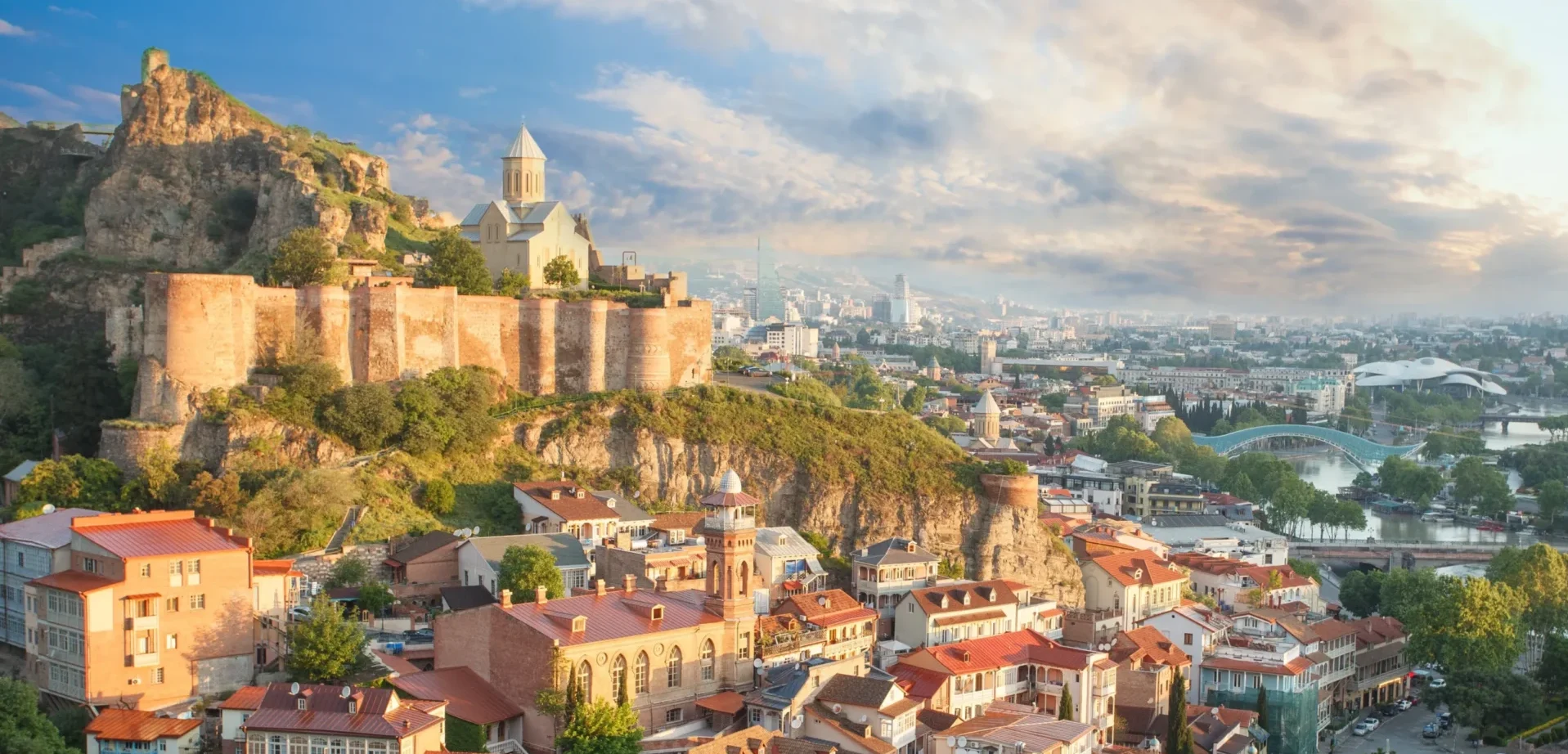
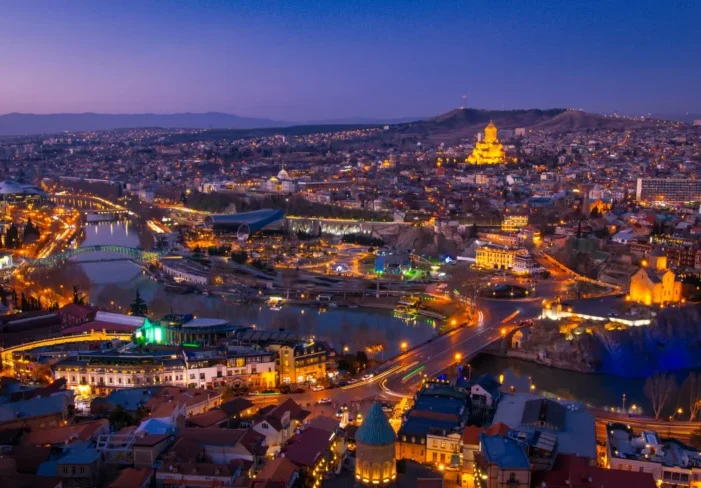
Tbilisi, the capital of Georgia, is a city where Europe meets Asia in a captivating architectural and cultural symphony. Built along the banks of the Kura (Mtkvari) River and surrounded by steep hills, Tbilisi stands out for its famous carved wooden balconies, the narrow alleyways of its Old Town, and the sulfur baths that gave the city its name (Tbilisi means “warm place”). It is a location where the old and the new boldly coexist: from ancient fortresses to futuristic glass bridges. Wander through its bohemian neighborhoods, admire the half-ruined mansions that conceal centuries of history, and surrender to the legendary Georgian hospitality—a nation that lives for grand feasts (supra), heartfelt toasts, and the world’s oldest wine tradition.
Highlights
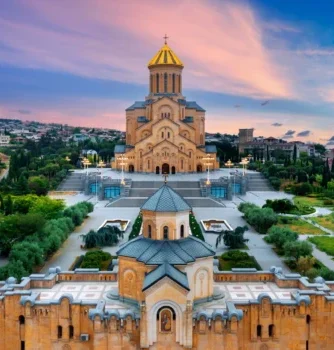
Holy Trinity Cathedral (Sameba)
One of the tallest Orthodox churches in the world, visible from almost every point in the city. Although recently built (completed in 2004), its grandeur and vast surrounding grounds make it one of the most important spiritual and architectural landmarks of modern Georgia.
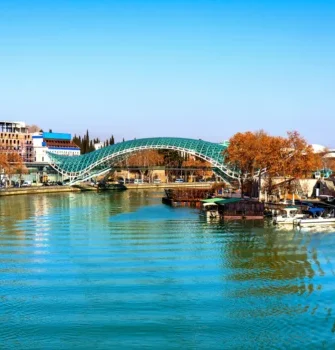
The Bridge of Peace
A modern architectural marvel of glass and steel spanning the Kura River. Designed by Italian architect Michele De Lucchi, it creates a striking (and often controversial) contrast with the traditional architecture of the Old Town. At night, its thousands of LED lights create a breathtaking visual spectacle.
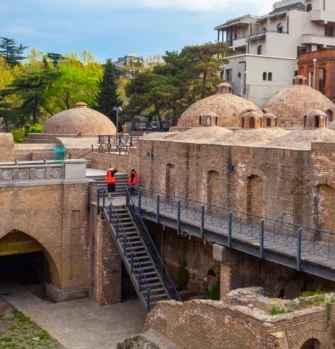
The Old Town and the Thermal Baths
The city's most picturesque neighborhood, characterized by the distinctive brick domes of its sulfur baths. These baths are deeply rooted in the city's history (even Alexander Pushkin praised them). All around, you will find a labyrinth of narrow alleyways filled with iconic houses featuring intricate, colorful wooden balconies.
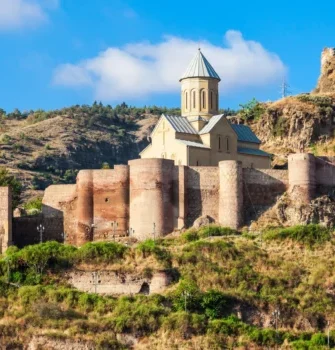
Narikala Fortress
The ancient symbol of Tbilisi's defense dominates the hill above the Old Town. You can reach the top either on foot (a steep but beautiful climb) or by cable car from Rike Park. The view from the fortress walls overlooking the river and the city—especially as the lights come on—is simply breath-taking. Standing right beside it is the monument of the "Mother of Georgia" (*Kartlis Deda*).
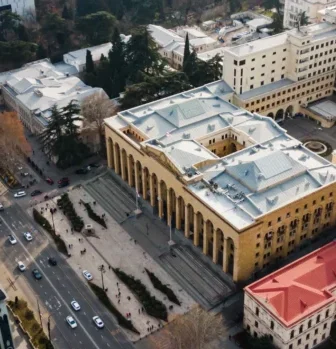
Rustaveli Avenue & Freedom Square
The city's main and most elegant boulevard. This is where the pulse of modern Tbilisi beats. Walking along the avenue, you will encounter imposing 19th-century buildings, the Parliament, the Opera House, and dozens of museums, cafes, and boutiques, culminating at the massive Freedom Square with its impressive golden column of Saint George.
Select your Travel type
Search destination
No trips were found matching your selection.
IDEAL DESTINATION
A Symphony of Color, Wine, and History
Gastronomic Journey to Tbilisi
Georgian cuisine is a reason in itself to visit the country. It is rich, making extensive use of walnuts, garlic, cheeses, and fresh herbs. You cannot leave without trying Khachapuri (especially Adjaruli, a boat-shaped bread filled with melted cheese, butter, and a runny egg) and Khinkali (large dough dumplings stuffed with spiced meat and hot broth). Equally important is the wine. Georgia is considered the “cradle of wine,” boasting an 8,000-year winemaking tradition. Be sure to try the wine aged in Qvevri (large earthenware amphorae buried underground).

The Best Time to Visit Tbilisi
Spring (May–June) and early autumn (September–October) are the ideal seasons to visit, offering perfect weather for exploring on foot. Autumn, in particular, coincides with Rtveli, the traditional grape harvest festival—an event of immense cultural importance for the country. Summers in Tbilisi can get uncomfortably hot (exceeding 35°C) due to its basin location, while winters are cold but often sunny.
Getting Around Tbilisi

Airport Transfer Options
Shota Rustaveli International Airport (TBS) is located approximately 17 kilometers from the city center. The Bolt app is the ultimate solution in Georgia: affordable, reliable, and saves you from the stress of negotiating with taxi drivers waiting outside the airport (Yandex also works, but Bolt is more popular). Alternatively, Bus 337 is the cheapest option, connecting the airport directly with the city center and metro stations.

Public Transportation
Getting around Tbilisi is easy and economical. The city’s metro (featuring two lines) is reminiscent of the deep, retro metros of the USSR; it is very fast and costs next to nothing (you will need a Metromoney card). Additionally, yellow or blue minibuses (Marshrutkas) and city buses network the entire city. Nevertheless, ride-hailing via app (Bolt) remains so inexpensive that most visitors prefer it for convenience, especially at night.
Questions / Answers
Q&A
No, Greek citizens travel visa-free. You can enter the country with either a passport or a national ID card (with Latin characters).
Yes, extremely safe. The crime rate is among the lowest in Europe, and walking at night is completely safe.
The official currency is the Georgian Lari (GEL). Cards are accepted everywhere, but keep a little cash with you for bakeries or street vendors.
Yes. Food, accommodation, and transportation (Bolt, metro) are considerably more budget-friendly compared to Western Europe.
The picturesque fortified town of Sighnaghi (in the Kakheti wine region), the ancient capital of Mtskheta, the Katskhi Pillar with its cliffside monastery, and the impressive Mount Kazbegi in the Caucasus.
![City Break with food walking tour in Athens [4days]](https://mazitravel.com/wp-content/uploads/2026/01/Athens-AdobeStock_125876014-scaled-e1769512144460.jpeg "City Break with food walking tour in Athens [4days]")