Lisbon, the capital of Portugal, stretches along the banks of the Tagus River, just a few kilometres before it meets the Atlantic Ocean. Built across seven hills, the city captivates visitors with its panoramic views, cobbled streets and colourful trams. Its unique character combines history, maritime heritage and modern culture, making it an ideal destination for travellers who appreciate authenticity, traditional fado music and the warmth of southern Europe. Lisbon blends the charm of old Europe with radiant Atlantic light and a distinctive, genuine spirit.
Lisbon
The city of seven hills.
Lisbon, Portugal’s coastal capital, is built at the mouth of the Tagus, the longest river on the Iberian Peninsula. One of the city’s most famous and impressive landmarks is the Belém Tower. In the central Praça do Império, you will find the Jerónimos Monastery, one of Lisbon’s most distinctive monuments, renowned for its elaborate stone carvings. Another iconic landmark is Praça do Comércio, dominated by the statue of King Dom José I and the magnificent Rua Augusta Arch. Explore the historic city centre aboard Tram 28, Lisbon’s most characteristic means of transport, which passes through neighbourhoods such as Graça, Baixa and Estrela, revealing a vibrant mosaic of historic monuments, shops and cafés. Lisbon is a city for romantics, culture enthusiasts, food lovers, keen walkers and curious travellers.
Highlights

Cabo da Roca
From the centre of Sintra, you can travel to Cabo da Roca, the westernmost point of mainland Europe, where, in the words of the Portuguese poet Luís de Camões, “the land ends and the sea begins.” The cape is renowned for its wild, dramatic beauty and its breathtaking views over the Atlantic Ocean.

Elevador de Santa Justa
This neo-Gothic iron lift is one of Lisbon’s most fascinating architectural landmarks. Today, it is renowned for its magnificent panoramic views over the city and the roofless ruins of the medieval Carmo Convent, which was severely damaged during the devastating earthquake of 1755.
Alfama
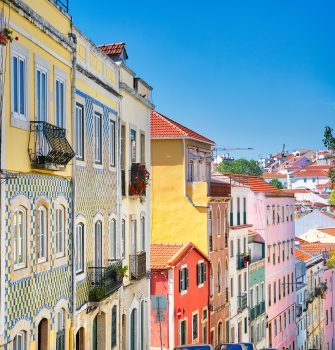
Lisbon’s most picturesque neighbourhood is filled with centuries-old buildings adorned with traditional azulejos—colourful tiles featuring distinctive patterns. Its narrow streets invite leisurely strolls beneath flower-filled balconies and lines of colourful laundry, while historic landmarks such as Lisbon Cathedral add to the area’s authentic charm.
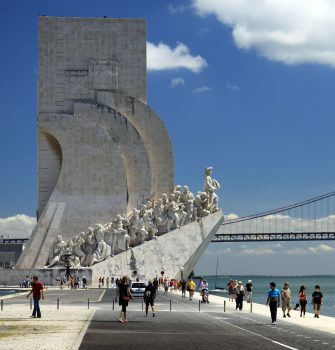
At the port of Belém.
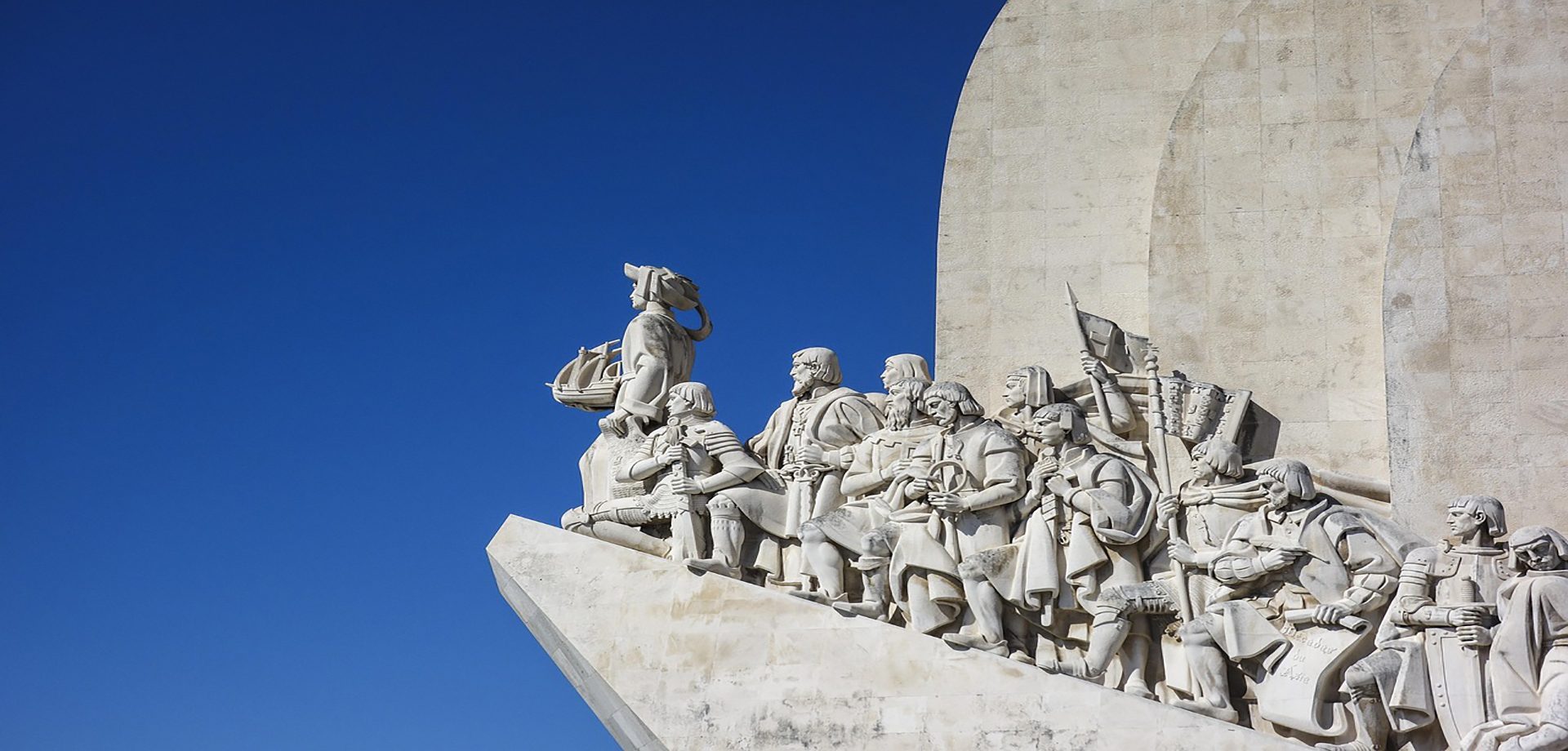
Belém, whose name means “Bethlehem,” is home to UNESCO World Heritage monuments and three of Lisbon’s most important landmarks: the Belém Tower, standing at the water’s edge; the Monument to the Discoveries, located where the Tagus River meets the Atlantic Ocean; and the imposing Jerónimos Monastery.
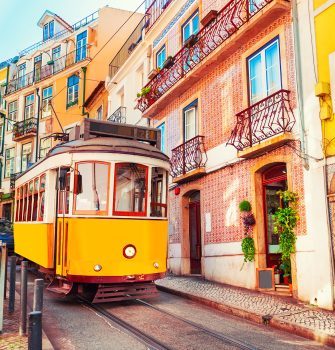
A ride on Tram 28
A true symbol of Lisbon, Tram 28 is instantly recognisable by its distinctive yellow colour. It runs continuously through the city centre, following a wonderfully scenic route as it climbs and descends the hills, passes lively squares and winds its way between the city’s colourful houses.
Select your Travel type
Search destination
IDEAL DESTINATION
Where the Sea Meets the Soul
A Culinary Journey Through Lisbon
Lisbon offers a rich culinary experience that combines fresh seafood, aromatic spices and traditional Portuguese recipes. It is one of Europe’s most flavourful destinations, renowned for its authentic cuisine, seafood specialities, irresistible desserts, local wines and vibrant street food. From bacalhau to the legendary pastéis de nata, Lisbon is a delight for every palate. Its cuisine is perfectly complemented by Portuguese wines such as Vinho Verde and Port, which further enhance the city’s authentic character.

Best Time to Visit
Lisbon offers memorable experiences throughout the year. The ideal time to visit is between April and September, when the mild climate, pleasant temperatures and long sunny days create perfect conditions for exploring the city.

How to use transportation in Lisbon

Airport transfer options
Lisbon’s Humberto Delgado International Airport, formerly known as Portela Airport, is located approximately 7 kilometres north of the city centre. There are several easy and convenient ways to travel between the airport and the city.
The Metro is one of the quickest and most economical options. The Red Line serves the airport, passes through Oriente Station and connects with the rest of the Metro network, providing easy access to central Lisbon. Bus 744 also connects the airport with Restauradores in the city centre. However, city buses have restrictions on the size of luggage allowed, so passengers carrying large suitcases may find this option less convenient. Alternatively, travellers can reach the city centre by taxi, private transfer or a licensed ride-hailing service.

Public transportation
The Metro is one of the most efficient ways to get around and discover Lisbon. The network consists of four lines—Blue, Yellow, Red and Green—with frequent services every 5 to 8 minutes, operating from 6:00 a.m. until 1:00 a.m. Alternatively, you can use the city’s public bus services. Travelling by tram is a particularly memorable experience. Lisbon’s tram network, known as the Rede de Eléctricos de Lisboa, serves the capital with five urban routes.
Questions/Answers
Q&A
Tram 28, Belém Tower, Alfama, Bairro Alto and the Jerónimos Monastery.
Three to four days are enough to explore the main attractions and enjoy the city’s essential experiences.
Yes, Lisbon is family-friendly, with museums, an oceanarium, parks and safe areas for walking.
Bacalhau, grilled sardines, caldo verde and, of course, pastéis de nata.
Yes, but keep in mind that Lisbon is very hilly. Trams and tuk-tuks are convenient alternatives.
![City Break with food walking tour in Athens [4days]](https://mazitravel.com/wp-content/uploads/2026/01/Athens-AdobeStock_125876014-scaled-e1769512144460.jpeg "City Break with food walking tour in Athens [4days]")